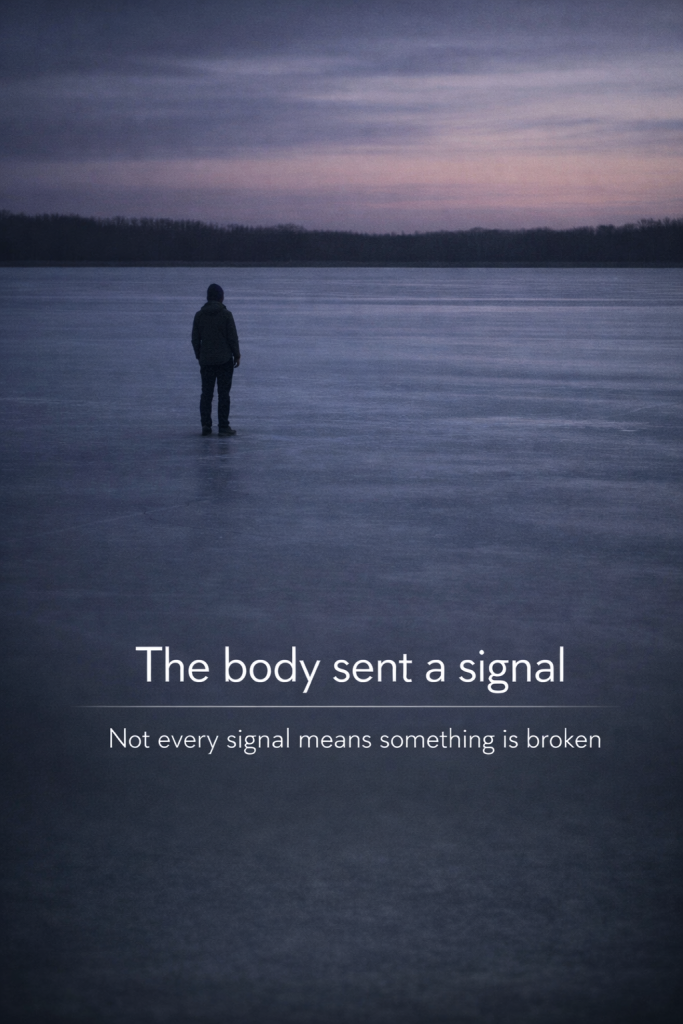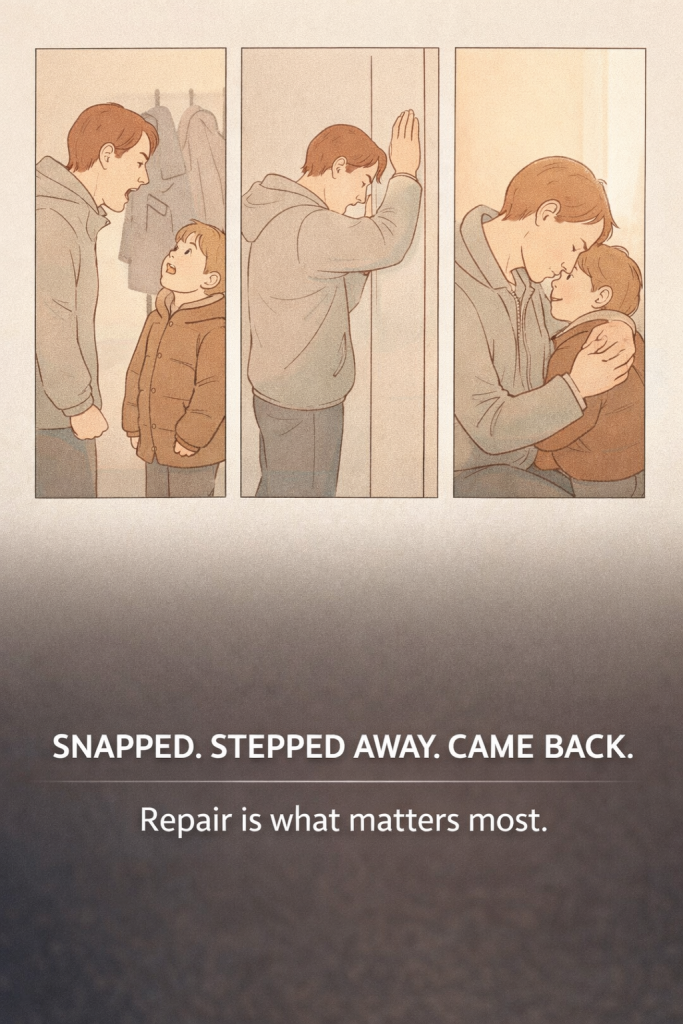
A lot of Minnesotans know the Split Rock Lighthouse feeling. Fog, cold air, and one steady beam that says, “You are not lost.” Trauma can feel like the opposite. It can turn everyday life into fog, even when things look fine from the outside. You might be in Minneapolis commuting to work and feel tense the whole way. You might be in Saint Paul at a family gathering and suddenly feel distant. You might be in Duluth with the lake right there and still feel like your body cannot settle. If you are searching for trauma therapy Minnesota, you are not alone. This guide will help you understand what actually works, how to choose the right fit, and what progress can look like in real life.
When trauma sticks around and why it feels so confusing
Trauma is not just a bad memory. It is a nervous system pattern that can stay switched on.
Some people notice intrusive memories, nightmares, panic, or a jolt of fear that comes out of nowhere. Others feel numb, disconnected, or like they are watching life through glass. Some get irritable, jumpy, or exhausted from being on alert all day.
Complex trauma therapy is often needed when the stress was repeated, relational, or lasted a long time. That can include growing up with unpredictability, criticism, neglect, or chronic conflict. It can also include adult experiences like coercive relationships, workplace harassment, or repeated losses.
These patterns are protective. Your brain learned to scan for danger. Your body learned to brace. The problem is that the alarm keeps ringing even when the danger is not present.
A trauma informed therapist will help you separate past from present in a practical way. The goal is not to force you to relive everything. The goal is to help you stay present, widen your capacity for calm, and build trust in your own signals.
If you are looking for PTSD treatment Minnesota, it helps to know that many people do not have one obvious trauma event. Some have many smaller events that built up over time. Either way, healing is possible.
Minnesota realities that shape stress and recovery
Minnesota has a unique mix of stressors and strengths. Winter can limit movement, sunlight, and social time. Long commutes in the Twin Cities can keep your body in a constant state of rushing. In Rochester, health related stress can be part of the story for many families. In Minnetonka and Bloomington, work pressure can be intense, especially if you are trying to hold it together for everyone else.
Using national data as Minnesota specific research unavailable.
It is common for people here to push through. Minnesota nice can look like being capable, polite, and quiet about pain. That can be a strength, but it can also delay getting support. Trauma tends to grow when it is carried alone.
Two local resources matter if you are struggling or supporting someone you care about. NAMI Minnesota has practical guides and education resources for crisis planning and support. The Minnesota Department of Health shares information on 988 services and how to connect with support. Minnesota also has mobile crisis options through the state, which can be helpful if you need urgent in person support.
A local company reality matters too. In workplaces like Target or 3M, high performance culture can reward over functioning. Trauma can hide inside that. You can hit goals and still feel like you are barely breathing.
If you are searching for trauma therapy Minnesota, it is worth choosing support that understands both nervous system stress and Minnesota life rhythms.
What actually works in therapy for PTSD and complex trauma
People often ask for the best method. The honest answer is that several approaches work, and the key is matching the approach to your nervous system and your history.
Recent clinical guidelines from the American Psychological Association recommend several trauma focused therapies for PTSD in adults based on a systematic review of evidence. The VA and Department of Defense guideline also summarizes evidence supported care for PTSD and acute stress disorder.
In plain terms, effective therapy usually includes three parts.
-
Stabilization and coping skills so you can stay present without getting flooded
-
Structured processing of traumatic memories so they lose intensity and stop hijacking your day
-
Rebuilding meaning, identity, and relationships so life expands again
Complex trauma therapy often needs more time in the first and third parts. If your trauma involved relationships, your healing will often involve relationships too, including the therapy relationship. The pacing matters.
A trauma informed therapist should be able to explain their plan in simple language. They should be able to tell you what progress looks like, how they handle overwhelm, and how they help you build safety before going deeper.
Many people also benefit from nervous system regulation skills alongside talk therapy. That can include grounding, breath work, body awareness, and practical routines that teach your body what safe feels like again.
If you are seeking PTSD treatment Minnesota, you deserve a plan that is both evidence supported and human.
A Minnesota story that shows what progress can look like
Let us call him Matt. He lives in Saint Paul and works in a role that looks stable from the outside. Inside, he felt constantly tense. After a series of stressful events and one frightening incident, his body stayed on high alert. He avoided busy places, had trouble sleeping, and snapped at people he cared about.
He told me, “I cannot turn off.” He tried to distract himself with work and staying busy. It worked until it did not.
We started with simple grounding and tracking. He learned to notice early signs like jaw clenching, shallow breathing, and that rush of heat in his chest. He practiced staying present for short moments without forcing himself to be calm. That was the first win.
As stability grew, we moved into structured trauma work at a pace he could tolerate. He did not need to share every detail. The goal was to reduce the threat response in his body and shift the story from “I am in danger” to “I survived, and I am here now.”
A few months later, he noticed real changes. He could walk into a crowded coffee shop in Minneapolis without scanning every face. He could drive at night without gripping the wheel. He started reconnecting with friends and even went to the Minnesota State Fair with less dread than he expected. Progress looked like choice returning.
That is what healing often is. Not perfect days. More freedom in ordinary moments.
Practical steps you can start this week
These ideas are not a replacement for therapy. They can support your healing and help you build momentum.
Pick two to practice daily for seven days.
-
Track one body signal: Choose shoulders, jaw, or stomach. Notice it three times a day and label it without judgment.
-
Do a simple orienting exercise: Look around and name five colors you see, then feel your feet on the floor for ten slow breaths.
-
Practice a longer exhale: Inhale for four, exhale for six, repeat five times. This supports nervous system regulation.
-
Create a steady evening routine in winter: Same lights, same tea, same short stretch, then screens off earlier than you think you need.
-
Use a boundary sentence once this week: “I cannot take that on right now.” Say it out loud first so it feels real.
-
Reduce trigger stacking: If you have a hard meeting, do not schedule three more demanding things right after. Leave ten minutes to reset.
-
Choose one safe connection: Text a friend, attend a support group, or use NAMI Minnesota resources if you feel isolated.
-
Ask direct questions when you interview a therapist: “What methods do you use for trauma.” “How do you pace the work.” “How do you handle overwhelm.”
-
Write a one sentence goal: “I want to sleep through the night.” “I want to stop avoiding driving.” Clear goals help you measure progress in trauma therapy Minnesota.
If you are not sure where to start, start with consistency. Small daily inputs teach your body that the present is different from the past.
FAQ
How do I know if it is PTSD or just stress
If symptoms follow a frightening event and include re experiencing, avoidance, and feeling on guard for more than a month, PTSD may be part of the picture. A licensed clinician can assess and help you choose next steps.
What is the difference between PTSD and complex trauma
PTSD is often linked to a specific traumatic event. Complex trauma usually involves repeated stress over time, often relational, and can affect identity, trust, and emotion regulation. Both can improve with the right care.
Do I have to talk about every detail of what happened
No. Effective therapy does not require sharing every detail. The focus is reducing distress, building safety, and helping your brain and body update the memory as past.
What should I look for in a therapist in Minnesota
Look for training in trauma approaches, a clear plan, and a pacing style that fits you. A trauma informed therapist should explain methods simply and check in often about your level of overwhelm.
How long does therapy take
It depends on your history, current stress, and support system. Some people feel meaningful shifts in a few months. Complex trauma therapy can take longer, with steady gains over time.
What if I feel worse after starting
Some people feel temporarily more aware of feelings and memories at first. That is a sign to slow down and focus on coping and nervous system regulation. Tell your therapist so the pace can be adjusted.
What if I am in crisis right now
If you are in immediate danger, call 911. If you need urgent support, you can call or text 988 in Minnesota for free and confidential help.
Healing from trauma is not about being tough. It is about being supported in the right way. When the fog lifts, you start to notice small moments of calm, then longer stretches of steadiness, then real freedom. If you want help choosing a path and building a plan that fits your life, reach out. You deserve care that is clear, respectful, and effective.
Get Support:
Meet Mitch: Meet Mitch (612) 562-9880
Schedule: Schedule a consultation
Sources:
-
Clinical Practice Guideline for the Treatment of Posttraumatic Stress Disorder (American Psychological Association, 2025): https://www.apa.org/ptsd-guideline
-
Management of Posttraumatic Stress Disorder and Acute Stress Disorder (VA Health Quality, 2025): https://www.healthquality.va.gov/guidelines/mh/ptsd/
-
Trauma Informed Approaches and Programs (SAMHSA, 2024): https://www.samhsa.gov/mental-health/trauma-violence/trauma-informed-approaches-programs
-
988 Lifeline System Services (Minnesota Department of Health, 2025): https://www.health.state.mn.us/communities/suicide/988/systems.html
-
Mental Health Crisis Planning for Adults (NAMI Minnesota, 2024): https://namimn.org/wp-content/uploads/sites/48/2024/04/NAMI-MentalHealthAdult2024-FINALNoTrim.pdf