You are the guy everyone counts on. At work you say yes, at home you keep the peace, and with friends you are the steady one. People like you. You are reliable. You do not cause problems.
Then you get in the car after a long day and feel tight in your chest. You replay conversations. You wonder why you feel irritated or disconnected when you are doing everything “right.” You might even tell yourself to toughen up.
If this sounds familiar, you are not broken. You may be stuck in a pattern that looks like kindness but feels like self abandonment.
When being “nice” starts costing you
A lot of men learn early that the safest move is to be agreeable. Keep your tone calm. Do not disappoint anyone. Do not rock the boat. Over time, that becomes automatic, and it can turn into nice guy patterns.
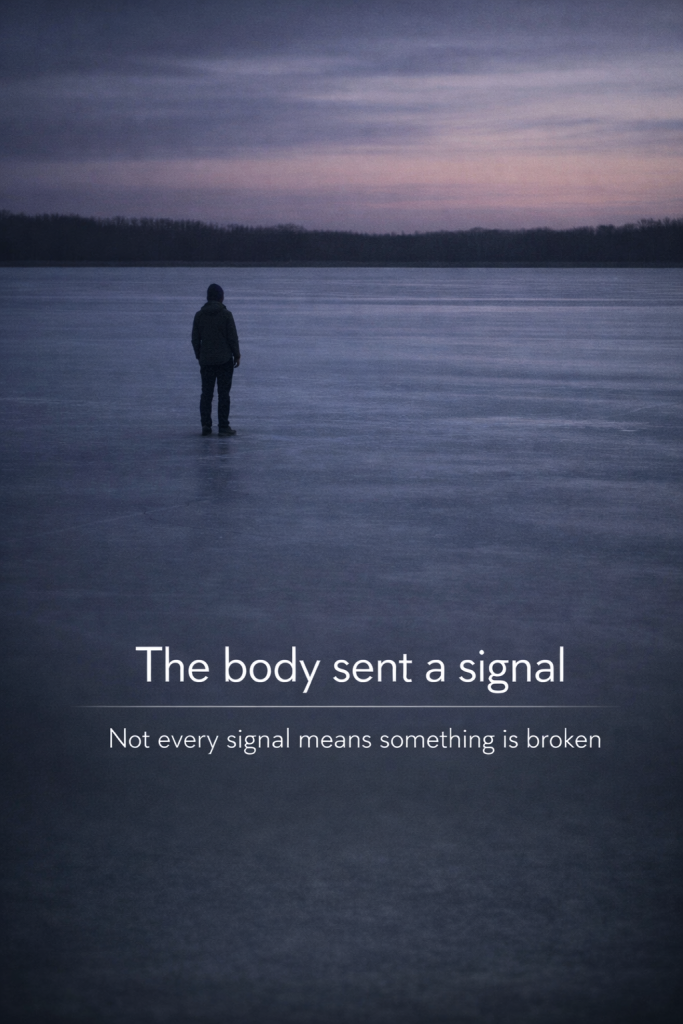
The trouble is that your nervous system still keeps score. When you keep saying yes while your body wants to say no, tension builds. It can come out as irritability, shutdown, overworking, or quiet resentment. It can also show up as trouble sleeping, constant second guessing, or feeling like you are always performing.
This is common for people pleasing men, especially when your sense of worth has been tied to being helpful, competent, or low maintenance. The internal rule becomes: “If I stay easy, I will be safe and accepted.” That turns into approval seeking, even if you never use those words.
You might notice it in small moments:
-
You write a text three times before sending it.
-
You avoid giving honest feedback at work because you do not want conflict.
-
You offer solutions when your partner wants empathy.
-
You feel guilty relaxing because someone else might need you.
Underneath, there is often fear. Fear of being rejected. Fear of being seen as selfish. Fear of being judged. Therapy can help you name the fear, respect it, and stop letting it run your life.
Why it hits differently in Minnesota winters
In Minnesota, a lot of men pride themselves on being steady. Show up. Push through. Be practical. That mindset can be a strength, especially when life gets busy with family schedules, long commutes, and work pressure.
But winter can quietly amplify stress. January in Minneapolis can mean dark mornings, icy parking lots, and weeks where you barely see the sun. If you are already carrying extra responsibility, your system has less room to recover.
In the Twin Cities, many guys spend their day moving between offices, the skyway, and the car, then try to shift into family mode at night. In St Paul, Rochester, or Minnetonka, you might feel the pressure to be the dependable one at home and at work. When you do not talk about what you need, nobody can see the load.
Using national data as Minnesota specific research unavailable.
Community can help, but only if you let it. NAMI Minnesota has local education and events that normalize mental health support. Hazelden Betty Ford in Center City is a well known Minnesota resource for recovery and mental health support. Even places like the YMCA of the North can be a gateway to routine, connection, and stress relief.
Mens mental health Minnesota improves when support is practical and normal. Not dramatic. Not a big speech. Just honest steps that fit real life.
The science behind people pleasing and burnout
People pleasing is not just a personality quirk. Research connects it to higher distress and patterns like anxiety, depression, and emotional exhaustion. One large study validated a measure of people pleasing and linked higher levels to more mental health symptoms and different risk profiles.
For men, another layer shows up: the rules you learned about masculinity. Meta analytic research has found that traditional masculinity beliefs are associated with more negative attitudes toward seeking psychological help and more self stigma about getting support. That can keep a guy stuck. He feels worse, but reaching out feels like weakness.
Newer research also links toxic masculinity norms with restrictive emotionality and lower intention to seek help, which matters because restrictive emotionality often looks like “I am fine” while your body says otherwise.
So if you have been telling yourself you should handle it alone, it makes sense. You were trained to do that. The path forward is not to reject strength. It is to redefine it. Real strength includes honesty, self respect, and the courage to be clear.
Workplace case example
This is a fictional example based on common patterns I see in mens therapy. Details are intentionally general.
A man in Minnetonka was known as dependable at work. He fixed problems before anyone noticed and rarely asked for help. At home he avoided conflict and tried to keep everyone happy. Over time he felt more irritated, disconnected, and tired, even though nothing looked wrong from the outside.
In therapy he noticed a pattern: he rarely stated preferences. He would ask others what they wanted, then adapt. When he did have a need, he hinted. When the hint was missed, he felt unseen and carried it quietly. His body would tighten, his mind would spin, and resentment would build.
We focused on two shifts. First, he practiced catching his internal no earlier, before he became reactive. Second, he practiced one clear sentence that did not over explain: “I can do that, and I need X to make it workable.” When he tried it at work, his heart raced. The response was better than he expected. People respected the clarity.
At home, he practiced one honest moment each week. Not a debate. A simple share of what he felt and what he wanted, without blame. Over time, he felt more grounded and less resentful because he was finally showing up as a full person.
Practical shifts that build healthy boundaries
You do not need a personality transplant. You need skills and reps. Healthy boundaries are not walls. They are clear lines that protect your time, energy, and self respect.
Try these steps for the next two weeks:
-
Do a daily body scan at lunch. Ask: tight, heavy, rushed, or calm. Name it in one word.
-
Practice one clean no per week. “I cannot take that on this week.” Then stop talking.
-
Replace hints with a direct ask. “Can you handle bedtime tonight so I can reset?”
-
Use a time boundary at work. “I can help for ten minutes, then I have to jump.”
-
Choose one value statement and repeat it. “My needs matter too.”
-
If you feel guilt, do not negotiate with it. Thank it, then follow your plan.
-
When conflict shows up, slow your pace. Speak fewer words, with more clarity.
-
Write one sentence you wish you could say, then say a smaller version out loud.
-
Notice where you are doing it for credit. If nobody noticed, would you still do it?
If you are a guy who has lived by being needed, this will feel unfamiliar. That is normal. The goal is not to become harsh. The goal is to become real.
Also notice your pattern with people pleasing men. If you tend to over function, your brain will call boundaries selfish. That is an old story. You are allowed to be considerate and still be clear.
FAQ
Is being a nice guy the same as being kind?
No. Kindness is a choice that feels aligned. A nice guy pattern often feels like pressure, fear, or earning safety.
Why do I feel resentful if I am the one saying yes?
Resentment is often a signal that you crossed your own line. It is data, not a character flaw.
What if setting boundaries makes people mad?
Some people will react. Many will adapt. If someone only likes you when you have no needs, that relationship needs attention.
How do I stop approval seeking without becoming selfish?
Start by naming what you want, then choose a respectful way to ask. You can care about others and care about yourself.
Does this connect to anxiety or depression?
It can. Chronic stress, suppression, and over responsibility can feed anxiety and low mood. If symptoms are significant, consult a qualified provider.
I feel embarrassed asking for help. Is that normal?
Very normal. Research links masculinity norms to more shame and self stigma about help seeking. Support is a skill, not a weakness.
How can therapy help with this?
Therapy helps you identify your triggers, practice new communication, and build confidence through real life experiments. It also supports mens mental health Minnesota by giving you a structured space to change patterns.
You do not have to swing from passive to aggressive. There is a middle path: clear, steady, and self respecting. If you have spent years being the good guy who never needs anything, your system may be overdue for honesty.
If you want support, the goal is simple: feel calmer inside, speak up without guilt, and build relationships where you do not have to earn your place. That is possible, and you do not have to do it alone.
Get Support:
Meet Mitch: Meet Mitch (612) 562-9880
Schedule: Schedule a consultation
Sources:
-
The Mental Health Implications of People Pleasing: Psychometric Properties and Latent Profiles (PLOS One, 2025): https://pmc.ncbi.nlm.nih.gov/articles/PMC12318589/
-
Traditional Masculinity and Mens Psychological Help Seeking: Meta Analyses (Journal of Counseling Psychology, 2025): https://pubmed.ncbi.nlm.nih.gov/40038563/
-
The Impact of Toxic Masculinity on Restrictive Emotionality and Help Seeking (Personality and Individual Differences, 2026): https://www.sciencedirect.com/science/article/pii/S0191886925004210