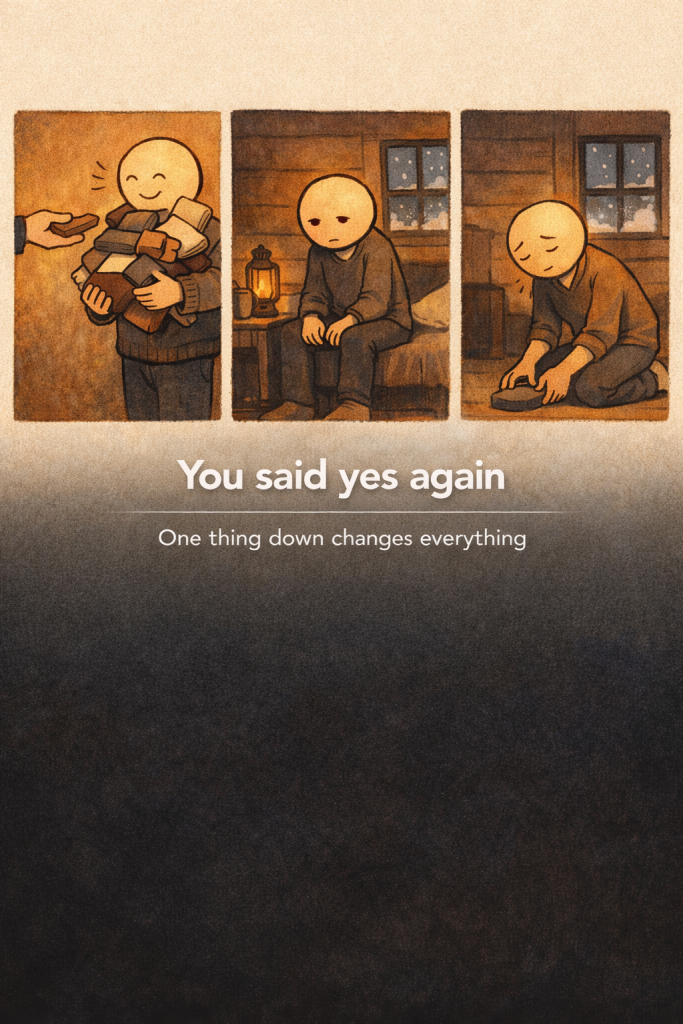
It is a weird feeling when your inbox gets quiet and your calendar opens up, but your stomach tightens instead of relaxing. You might be thinking about rent or the mortgage, health insurance, and what you will tell your family. In a softer job market, even people with solid resumes can feel stuck in slow hiring cycles. If you are in Minnesota and facing a layoff, reduced hours, or a stressful job search, your nervous system may treat it like an ongoing emergency.
This is not a character flaw. It is a normal response to uncertainty. With the right plan, you can protect your mental health, make smarter choices, and stay connected to who you are while you rebuild.
Job loss anxiety and money stress can feel personal, but it is a stress response
Job loss can trigger a cascade of thoughts that sound like facts: “I am falling behind,” “I will never catch up,” or “I should have seen this coming.” Those thoughts hit fast because your brain is trying to prevent danger. Money stress raises the stakes, and the body reacts with tension, racing thoughts, and sleep disruption.
Many Minnesotans carry a strong work ethic, and there is pride in being dependable. When work changes suddenly, shame can show up. Shame makes people isolate, hide the problem, and skip support. That isolation can intensify anxiety and lead to irritability, low mood, or panic sensations.
A key shift is separating your worth from your current employment status. Losing a job is an event, not an identity. If you notice yourself spiraling, it can help to name what is happening: your threat system is activated. Therapy can support that reset, and Job loss counseling Minnesota can give you structure when everything feels unstructured.
Financial pressure can also create relationship stress. People snap at partners, withdraw from friends, or feel guilty spending any money at all. When you are carrying that load, it is easy to miss the small steps that actually move you forward.
Minnesota context: why the current job market feels heavy right now
Minnesota has a diverse economy, but hiring can still feel slow in waves. You might hear “things are fine” and still notice fewer replies, longer timelines, and more competition. In Minneapolis and St Paul, professional roles can move through multiple interview rounds, and each delay can feel like another week of uncertainty.
People in Minnetonka, Eden Prairie, and Maple Grove often juggle a commute, childcare, and rising costs, so a job change can ripple through the whole household. In Duluth, Rochester, and St Cloud, some sectors can be stable while others tighten, which can make the search feel uneven and confusing.
Using national data as Minnesota specific research unavailable.
When stress rises, local supports matter. The Minnesota Department of Employment and Economic Development and CareerForce centers can help with job search tools, resumes, and training options. NAMI Minnesota can be a strong resource for mental health education and support.
Winter makes everything feel louder. In January, short daylight and icy roads can limit movement and social time, and that can intensify worry. Even a simple trip to Target can become a reminder of what you are cutting back on. A slower job market does not mean you are doing anything wrong. It means you need a plan that protects your energy and helps you stay consistent.
If you want a therapeutic structure for this season, Financial stress therapy Minnesota can help you reduce panic and make decisions from steadiness instead of fear.
What research says about job insecurity and mental health
Job insecurity and unemployment are linked with higher psychological distress, including anxiety and depressive symptoms. This does not mean you are broken. It means your mind and body are responding to a real stressor. When income is uncertain, the brain scans for threats more often, which can increase rumination and make it harder to focus, plan, and sleep.
Research also suggests that the longer uncertainty lasts, the more likely people are to default to short term coping. That can look like avoidance, over scrolling, or numbing behaviors. These strategies can bring quick relief, but they often increase shame and reduce follow through.
Therapy can work on two levels at once. First, it can calm the nervous system so your thinking becomes clearer. Second, it can build a realistic routine so the search does not take over your entire identity. Anxiety therapy Minnesota is often less about positive thinking and more about creating safety inside your day.
If you are feeling stuck, Career transition therapy Minnesota can help you hold both realities: you can be frustrated about the market and still move forward with purpose.
A composite Minnesota example of getting steady again
This is a composite example with details changed for privacy.
A Minnesota parent in St Paul lost a mid level role during a company restructure. At first they told themselves they would treat the job search like a full time job, but by week two they were waking up with chest tightness and checking emails constantly. They stopped going to the gym and felt embarrassed seeing friends, even though no one had judged them.
The turning point was creating a smaller, repeatable plan. They set a two hour job search block each weekday, then closed the laptop. They also chose one daily action that supported their nervous system, like a walk after lunch or a brief grounding exercise. Within a few weeks, sleep improved. Interviews still took time, but they felt less reactive and more confident.
The same approach helped their relationships. They practiced naming money worries directly instead of snapping. They picked one low cost connection each week, like coffee with a friend in Minneapolis or a library visit with their kids. The market did not change overnight, but their internal stability did. Coping skills for job loss turned into a routine, not a lecture.
Practical steps that help you feel calmer and more in control
You do not need to do everything at once. Pick a few actions and repeat them for two weeks, then adjust. Coping skills for job loss work best when they are simple enough to repeat.
-
Set a daily search window: choose a consistent time block, then stop when it ends to prevent all day rumination.
-
Build a simple money map: list essential bills, minimum payments, and a realistic weekly spending cap to reduce vague fear.
-
Create a two sentence script: practice saying what happened and what you are doing next, so you feel less exposed in conversations.
-
Use a body reset twice a day: slow breathing, a short walk, or stretching to signal safety to your system.
-
Protect sleep like an asset: keep a steady wake time, and stop job searching at least two hours before bed.
-
Schedule support on purpose: talk with a trusted friend, join a CareerForce workshop, or meet with a therapist.
-
Limit doom loops: pick one short news check time and avoid scrolling job market content at night.
-
Rebuild identity outside work: plan one weekly activity that reminds you who you are, like pickleball, faith community, or volunteering.
-
Track small wins: log applications, calls, and interviews, plus one personal win per day to keep momentum visible.
Job loss counseling Minnesota often works best when practical structure meets nervous system care. Career transition therapy Minnesota can help you clarify your next step without rushing. Financial stress therapy Minnesota can also help you reduce shame, talk about money without panic, and stay connected to your values while you rebuild.
FAQ
How do I know if I need therapy or just time?
If worry, sleep issues, panic sensations, or irritability are lasting more than a few weeks or affecting relationships, support can help.
What if I cannot afford therapy right now?
Ask about sliding scale options, session spacing, or resources through local organizations. Some people start with fewer sessions and build from there.
Is it normal to feel ashamed after a layoff?
Yes. Shame is common, especially for people who value responsibility. Shame decreases when you name the situation and take small consistent steps.
How can I talk to my partner about money without fighting?
Pick a calm time, share one clear concern, and focus on a plan for the next week. If talks escalate, pause and return later.
What should I do if I am having panic symptoms?
First rule out medical causes with your provider if symptoms are new or severe. Then use slow breathing, grounding, and reduce stimulants like excess caffeine.
Can therapy help if the job market is the real problem?
Yes. Therapy cannot control hiring cycles, but it can improve sleep, focus, confidence, and decision making, which supports better outcomes.
How long does a career transition usually take?
It varies by field and timing. A steadier routine and support system often make the process feel shorter even when timelines are longer.
You can get through a slower job market without losing yourself. The goal is not to pretend things are easy. The goal is to stay steady enough to make good choices, keep connection in your life, and take the next right step. If you want help building a plan that fits your life, consider reaching out for a consultation and we can map out what support would be most useful. Anxiety therapy Minnesota can help you stay steady and self respectful while you rebuild.
Get Support:
Meet Mitch: Meet Mitch (612) 562-9880
Schedule: Schedule a consultation
Sources:
-
Latest DEED report finds “solid” labor market amid “flat” job growth in December for the state (MPR News, 2026): https://www.mprnews.org/story/2026/01/22/deed-report-december-solid-labor-market-flat-job-growth
-
More than half of U.S. workers say job insecurity is causing stress (American Psychological Association, 2025): https://www.apa.org/news/press/releases/2025/05/job-insecurity-causing-stress
-
Mental health effects of unemployment and re employment (PubMed Central, 2025): https://pmc.ncbi.nlm.nih.gov/articles/PMC12505101/