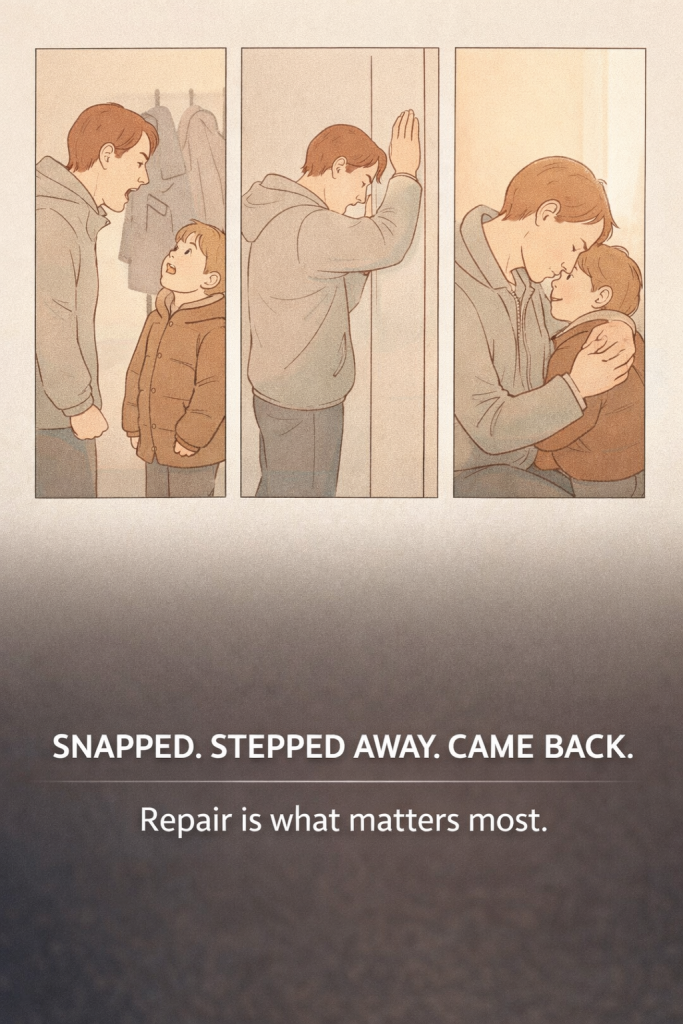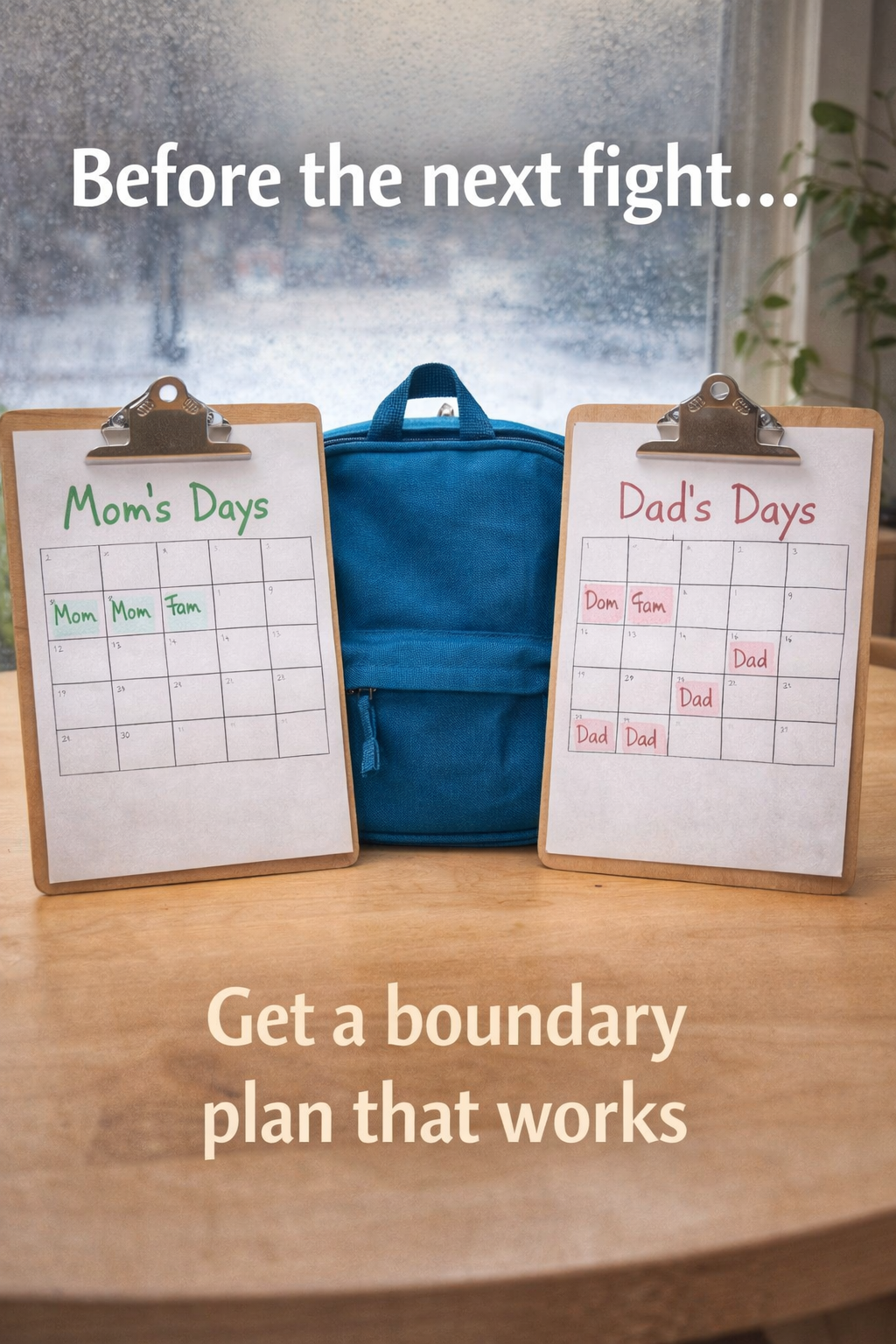
You are trying to make dinner in Minneapolis, and your phone lights up again. It is another message about pick up time, who bought the winter boots, and a sharp comment that lands like a jab. You stare at the screen, heart racing, already tired. You want to respond, but you also want peace. If you are co parenting with a high conflict ex, it can feel like your nervous system never gets a break. The good news is that you do not have to win every argument to protect yourself and your kids. You can build boundaries that lower conflict, reduce chaos, and help your children feel steady again.
When co parenting feels like a constant fight
In high conflict co parenting, it is not just “we disagree.” It is a pattern where every exchange becomes a power struggle, a criticism, or a test. You might see last minute changes, repeated accusations, or messages that pull you into defending yourself. Over time, you can start to live on alert. Many parents notice sleep problems, stomach tension, and a shorter fuse with the people who actually feel safe, like the kids or a new partner.
Some parents find that co parenting counseling in Minnesota helps them turn that daily tension into a clear routine.
The hardest part is the double bind. If you respond quickly, you may feel like you are feeding the conflict. If you do not respond, you may get blamed for not caring. That push and pull is why boundaries matter. Boundaries are not punishments. They are clear limits that define what you will do, what you will not do, and how communication will happen.
If you want a practical frame, keep this sentence in mind: you are parenting a child, not managing an adult. Your job is to create consistency for the kids. Your ex can have feelings about your choices, but feelings do not get to run the schedule.
Many people want a plan that reduces daily chaos. That is the work.
Minnesota realities that can keep conflict stuck
Minnesota adds its own pressure points. Winter weather can turn a simple exchange into a high stakes problem. A late pickup in St Paul during a snow squall can feel unsafe. A long drive from Rochester to the Twin Cities can trigger resentment about who is doing the work. Even a normal week can get complicated when school cancellations hit, kids have hockey practice, and roads are slick.
Work schedules matter too. If you work at Target, 3M, or a hospital system like Mayo Clinic, your hours may not flex easily. That can make last minute changes feel like sabotage. Many parents also feel strain around holidays and Minnesota traditions. Things like cabin weekends, a visit to the North Shore, or plans around the State Fair can stir up conflict about “who gets the fun.”
If you have a case in the Minnesota court system, you may have already heard about parenting education and structured communication expectations from the Minnesota Judicial Branch. The point here is not to legalize your life. It is to reduce ambiguity. Ambiguity is fuel for conflict.
One more local reality: many families share community spaces. You might run into each other at a school concert in Eden Prairie, a youth sports event in Bloomington, or a coffee shop in Duluth. Clear boundaries keep these moments from turning into public tension that kids can feel.
What the research says about conflict and kids
Research is consistent on one theme: ongoing interparental conflict is stressful for children. high conflict co parenting keeps that stress activated. Kids do not need perfect parents. They need predictable emotional safety. When conflict stays high, children can show anxiety, irritability, sadness, and trouble concentrating.
The research on coparenting also highlights a hopeful point. Small shifts in how parents coordinate, communicate, and handle transitions can improve the overall climate for kids. That is why structured approaches are often recommended. The National Council on Family Relations has highlighted the importance of supporting coparenting relationships through policy and practical systems, especially when families are under strain.
For high conflict situations, many family therapists and family law systems discuss the value of limiting direct interaction while still meeting the child focused needs. A parallel parenting plan is one approach that can help. The goal is not closeness. The goal is reduced contact, fewer emotional hooks, and clear lanes of responsibility.
If you feel guilty about needing more structure, remember this: structure is care. It is care for your child and for your nervous system.
A composite example from Minnesota
This is a composite example with details changed for privacy. Imagine a Minnesota dad in St Paul with two middle school kids. He shares custody with an ex who sends long late night texts and uses pick up exchanges to bring up old relationship issues. He tries to be reasonable, but every reply becomes another argument.
In January, the kids start slipping on homework. One begins complaining of stomach aches on exchange days. The dad notices he is checking his phone constantly, bracing for the next message. He also notices he is more irritable at work and snapping at the kids over small things.
He decides to build a boundary system with two goals: reduce reactivity and protect the kids from adult conflict. First, he limits communication to one channel and one daily check in window. Second, he stops debating the past and uses short, factual messages about the kids only. Third, he creates a written routine for exchanges, including backup plans for winter weather.
Within a few weeks, the emotional temperature drops. His ex still tries to pull him in, but the hooks do not catch as often. The kids do not feel like messengers anymore. The dad feels the first real sense of relief he has had in months. That is what divorce stress therapy can support: practical changes that reduce overwhelm.
Practical boundaries that actually reduce conflict
The goal is to lower the number of conflict opportunities, not to become a robot. healthy boundaries with an ex are not about control, they are about clarity. These strategies work best when you apply them consistently for a few weeks, especially during high stress seasons.
-
Pick one communication lane and stay in it. Use one tool for all logistics, and stop responding in multiple places.
-
Set a response window. For example, you reply once in the morning and once in the early evening unless there is a true safety issue.
-
Use a child only script. Keep messages short: time, place, items, confirmation. No commentary.
-
Stop defending yourself. Defending invites a debate. State the plan once and repeat it calmly if needed.
-
Use a parallel parenting plan for everyday decisions. You handle routines on your time. Your ex handles routines on their time.
-
Create an exchange checklist. Shoes, coat, meds, homework, chargers. Kids can help own the list as they get older.
-
Build a winter backup plan. Decide what happens if roads are unsafe, school is canceled, or a car will not start.
-
Protect your body. One minute of slow breathing before you respond can prevent a reactive message you regret.
-
Keep kids out of adult information. No venting, no asking them to report, no making them choose sides.
-
Get support for the emotional load. healthy boundaries with an ex are easier when you are not carrying this alone.
People often notice that the second week is the hardest. Your ex may test the new limits. Stay steady. Boundaries are a pattern, not a single message.
If you are searching for help with a high conflict parenting situation, the right plan usually includes both practical structure and emotional support. Co parenting counseling in Minnesota can help you build that plan in a way that fits your case and your values.
FAQ
What if my ex ignores boundaries and keeps escalating
Focus on what you control. Use brief, factual replies. Do not argue. Keep records if you need them for your own clarity.
Is parallel parenting the same as giving up on co parenting
No. It is a realistic structure for high conflict situations. It reduces contact and protects kids from adult conflict.
How do I handle last minute schedule changes
Use a written standard. For example, changes require notice by a certain time unless there is an emergency. Repeat the standard, not the argument.
What should I do if my child refuses to go to exchanges
Take it seriously and stay calm. Validate feelings, keep routines predictable, and consider speaking with a child specialist. Consult your provider if you have concerns about safety or severe anxiety.
Can therapy help if the other parent will not participate
Yes. Divorce stress therapy often focuses on your regulation, your boundaries, and your communication approach. One parent changing patterns can shift the whole system.
How do I talk to teachers or coaches without escalating conflict
Ask for a shared communication method that keeps both parents informed equally. Many schools can include both parents on emails and portals.
When should I get legal advice
If there are safety concerns, repeated violations of court orders, or major disputes about custody or parenting time, consult an attorney for guidance.
If co parenting has turned into a daily stress loop, you are not weak for wanting structure. You are responding to a hard situation in a healthy way. Kids do best when at least one parent creates calm and predictability, even if the other parent stays reactive. Start small: one communication lane, one response window, one script. divorce stress therapy can also help you stay grounded while you practice these changes. Over time, your nervous system will trust that you can handle the next message without losing your evening. You deserve a home that feels steady again, and your kids deserve a childhood that is not shaped by adult conflict.
Get Support:
Meet Mitch: Meet Mitch (612) 562 9880
Schedule: Schedule a consultation
Sources:
-
Promoting Positive Coparenting: Toward Comprehensive and Inclusive Family Policies (NCFR, 2025): https://www.ncfr.org/policy/research-and-policy-briefs/promoting-positive-coparenting-toward-comprehensive-and-inclusive-family-policies
-
Interparental Conflict and Children’s Depressive and Anxiety Symptoms (Taylor and Francis Online, 2024): https://www.tandfonline.com/doi/full/10.1080/28375300.2024.2382991
-
Introduction to the Special Issue on Working With High Conflict Coparenting (Journal of Marital and Family Therapy, 2025): https://onlinelibrary.wiley.com/doi/10.1111/jmft.70087