You love each other, yet the smallest thing can light the fuse. A look. A tone. A late text. Then it turns into the same argument you have had a hundred times. In winter, when you are stuck inside, it can feel louder. Many couples tell me they are not fighting about dishes or money. They are fighting about feeling alone in the relationship.
If you are looking for emotionally focused therapy for couples, you are probably hoping for a way to stop the cycle and feel close again without one of you always being the problem.
When the same fight keeps showing up
Most couples do not come in because they never communicate. They come in because communication has become a minefield. One person reaches for connection and gets a shrug or a defensive reply. The other person feels criticized and shuts down. Soon you are both protecting yourselves, and nobody feels chosen.
In therapy, we slow it down and name what is happening so you can understand the pattern that hijacks the moment. That pattern looks like pursue and withdraw. One partner pushes for answers, reassurance, or change. The other partner retreats, gets quiet, or tries to keep the peace. The more one pushes, the more the other pulls back.
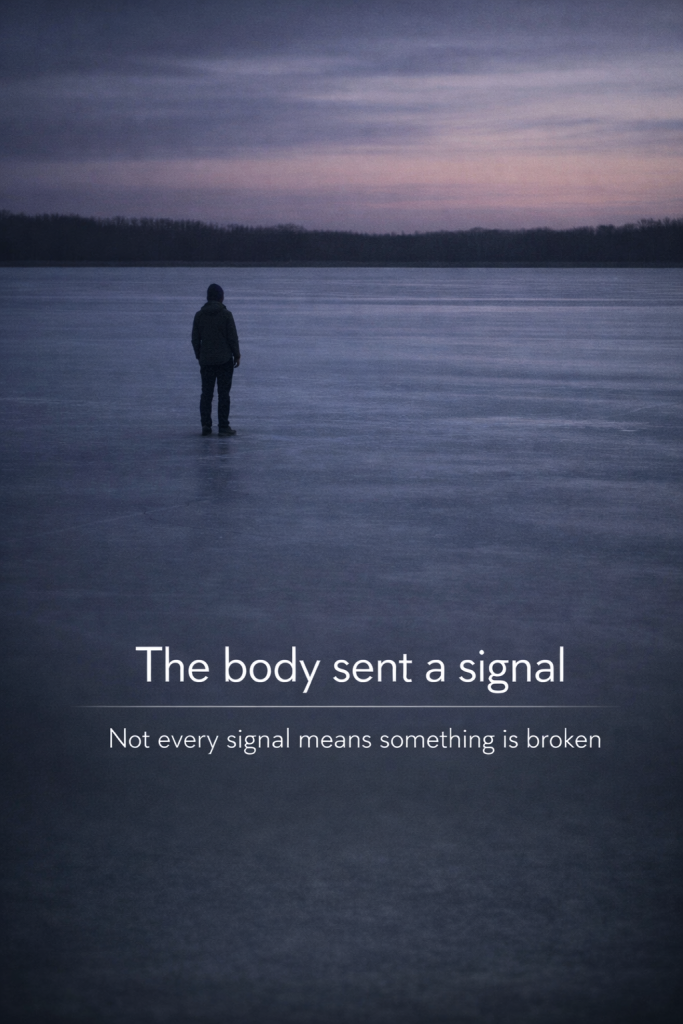
Both partners feel alone in that loop. One feels unheard and panicky, like they have to raise the volume to matter. The other feels overwhelmed and cornered, like any response will make it worse. Bodies notice this before your words do, with tight chests, shallow breathing, and a quick urge to defend.
The pain under it is simple. “Do I matter to you” and “Can I count on you.” When those questions feel unsafe, it is hard to do repair after conflict because both people are still in protection mode.
In this stage, it helps to stop asking, “Who started it” and start asking, “What is the cycle doing to us.” That shift can lower the temperature and bring teamwork back.
Many couples have tried talking longer or taking space. The cycle often returns because the softer need was never said out loud.
Why Minnesota couples get stuck in the cycle
Minnesota couples face the same relationship stressors as anywhere else, plus a few local twists. Winter can tighten routines. After work, many people are juggling kids, long commutes, and packed schedules. By the time you get home, your nervous system is already spent.
In the Twin Cities, a long day can include a drive across the metro, a stop at Target, and a dinner before practices. In Rochester, rotating schedules tied to Mayo Clinic can make connection time feel rare.
There is also a culture of being polite and keeping things steady. People sometimes call it “Minnesota nice.” The downside is hard talks get delayed until they blow up, often right when you are trying to unwind.
I hear this from couples in Minneapolis, St Paul, and Rochester. They say, “We do fine most of the time, then we explode.” They are often functioning well on the surface, but missing small daily moments that create safety.
Local supports can help too, including education through University of Minnesota Extension and referrals through NAMI Minnesota. Others look for couples counseling Minneapolis because they want a neutral place to talk where the goal is connection, not winning.
One Minnesota based relationship tool many counselors know is PREPARE ENRICH, developed by University of Minnesota faculty. Even if you never use it, the bigger point is useful: relationship health is not only about skills, it is also about closeness.
What EFT does differently
Emotionally focused therapy is an attachment based approach to couple therapy. It focuses on the emotions underneath the argument and the attachment needs underneath those emotions. The goal is not perfect communication. The goal is a safer bond.
EFT follows a clear map. First, you slow and name the cycle. Next, you practice new reaches and responses. Then you strengthen the new pattern so it holds up at home.
EFT couples therapy Minnesota is not a magic switch, but it is a structured process with clear steps that help partners move from protest and shutdown into openness and responsiveness.
In EFT sessions, we map the cycle and then we get curious about what each partner is protecting. Anger often protects fear. Silence often protects shame. When those softer emotions can be named in a safe way, something changes. You start seeing each other as partners again, not threats.
If you are considering emotionally focused therapy for couples, a useful question is, “What happens inside me right before I snap or go numb.” That moment is often the doorway to change. It also helps restore emotional connection in relationships because you are sharing what is real, not just what is loud.
A Minnetonka story that might feel familiar
Imagine a couple in Minnetonka, both working full time. They are also navigating snow days, packed calendars, and the stress of getting everyone out the door. They have a teenager in activities and a younger child who still needs bedtime routines. After a long day, one partner wants ten minutes to talk and reconnect. The other partner wants to decompress and not have another task.
The first partner says, “You never talk to me anymore.” The second partner hears, “You are failing,” and goes quiet. The silence feels like rejection, so the first partner raises their voice. The second partner retreats further. By the end, both feel alone and both feel guilty.
In EFT, we slow the scene down. The first partner learns to name the real fear: “When you go quiet, I worry I do not matter to you.” The second partner learns to name the real pressure: “When I hear disappointment, I feel like I cannot ever get it right, so I shut down.”
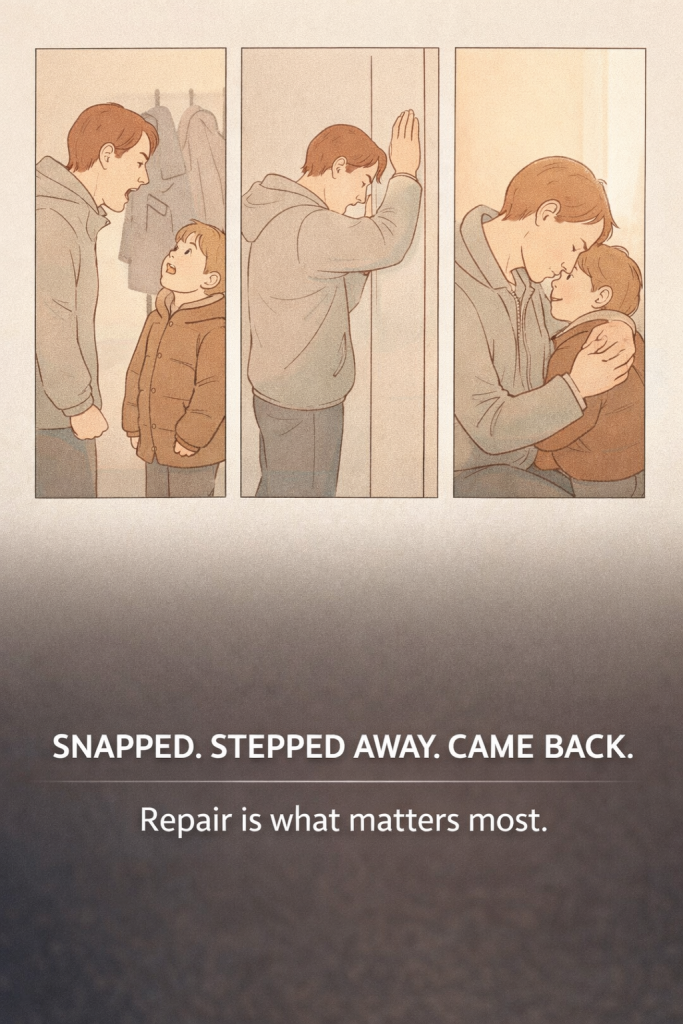
Once those truths are on the table, the couple can practice a new move. Instead of chasing or withdrawing, they can reach with clarity and respond with care. That is where repair after conflict starts to feel possible again.
Seven ways to start turning toward each other
These are small shifts that can support therapy work and also help you in daily life. If something feels intense or tied to trauma or depression, consult your provider and consider working with a therapist.
Practical change is not about winning the argument with better facts. It is about creating safety in the moment so your partner can hear you.
If you try a few of these and the same blowups keep happening, guided support can help. A short consult can clarify the next right step. Pick one item and try it tonight, even if it feels awkward.
-
Name the pattern, not the person. Try, “We are in our cycle again,” instead of, “You always do this.”
-
Slow the moment down. Take one minute of quiet breathing before you respond.
-
Ask for what you need in one sentence. “I need reassurance right now,” or “I need a short break, then I will come back.”
-
Reflect one feeling you heard. “You sound overwhelmed,” or “You sound scared.”
-
Pick a daily connection habit. A ten minute check in after dinner or a short walk works well, even in Duluth cold.
-
Create a repair phrase. Agree on one sentence you both trust, like, “We are on the same team.”
-
Limit problem solving when you are flooded. If your heart is racing, focus on comfort first.
-
Use curiosity instead of a closing argument. Ask, “What did you make my tone mean.”
-
Get support early. If you want couples counseling Minneapolis, look for someone trained in EFT who can guide the process.
FAQ
How is EFT different from traditional couples therapy
EFT focuses on the emotions and attachment needs underneath the conflict, not just skills or communication tips. It helps you change the pattern and strengthen emotional connection in relationships. You practice new moves in session.
How long does EFT usually take
Many couples notice early changes within a few sessions, but meaningful change often takes time. The pace depends on the cycle and how safe it feels to be vulnerable. Long standing hurt can take longer, at a pace that feels safe.
Do we have to talk about childhood
Only as much as it helps you understand triggers and attachment patterns. The focus stays on what is happening between you now and how to create safety.
What if one of us is skeptical
Skepticism is common. A good therapist will keep the work practical and collaborative, and will help both partners feel heard.
Can EFT help after an affair
It can, as long as there is commitment to honesty and repair. Therapy can support rebuilding trust step by step.
What if we keep having the same argument
That is exactly what EFT targets. The work is to identify the cycle and create new responses that interrupt it.
Is EFT a good fit for long distance or busy schedules
Often yes. Many couples do sessions by telehealth and practice small daily connection habits between sessions.
If you feel stuck in the same loop, you do not have to wait until things get worse. The goal is not to prove who is right. The goal is to feel safe, seen, and close again. With the right support, you can name the cycle, share what is underneath it, and respond with care. EFT couples therapy Minnesota can help you build a calmer bond and a clearer path forward. Take one next step this week and do it together.
Get Support:
Meet Mitch: Meet Mitch (612) 562 9880
Schedule: Schedule a consultation
Sources:
-
Meta analysis of emotionally focused couple therapy (NYU IFP, 2024): https://ifp.nyu.edu/2024/meta-analyses-systematic-reviews/cfp0000233/
-
Effectiveness of emotionally focused couple therapy for depression and distress (JMFT, 2024): https://onlinelibrary.wiley.com/doi/full/10.1111/jmft.12681
-
EFCT randomized trial on shame and intimacy (BMC Psychology, 2025): https://bmcpsychology.biomedcentral.com/articles/10.1186/s40359-025-03415-3