The word toxic is everywhere now. Relationships, friendships, workplaces, whole families. Once something gets that label, the conversation tends to stop. The word has real roots in psychology. It describes patterns that cause genuine, repeated harm over time. But somewhere between the research and the comment section, it became a way to describe anything uncomfortable or frustrating. A difficult conversation becomes toxic. A partner who disappoints you becomes toxic. A friendship that requires effort becomes toxic. When every hard thing gets the same label, the word stops doing real work. Actual harm goes unexamined. Real patterns stay unnamed. And people who are genuinely hurting get handed a verdict when what they need is a clearer picture.
What this looks like in real life
Toxic relationship signs in clinical research include patterns like persistent control, chronic dishonesty, repeated emotional cruelty, and harm that does not change over time despite awareness. These are serious things. They are also specific things. They are not the same as a partner who is stressed, a friend who cancels plans, or a family member who is hard to talk to.
The word has traveled far from that specificity. Today it gets applied to anything that causes discomfort. An argument that got heated. A period of emotional distance. A pattern that is frustrating but workable with the right support. When everything gets the same label, the label loses its ability to point toward what actually needs attention.
Unhealthy relationship patterns are real and worth naming carefully. A relationship where one person consistently undermines the other, controls decisions, or dismisses feelings over time is a problem worth taking seriously. So is repeated dishonesty or cruelty. Those things deserve specific language that leads to real action.
Men and relationship stress often go unexamined in this conversation. Men are frequently labeled the toxic party without much nuance. They may also reach for the term themselves without fully understanding what is driving the conflict. In both cases, the label ends a conversation that needed to continue. Getting specific about what is actually happening tends to be far more useful than a word that has lost its edges.
Why it sticks and what helps
The word sticks because it feels protective. When a relationship has caused real pain, labeling it gives a sense of order and closure. It also shifts full responsibility outward, which can feel like relief after a long period of confusion and self-doubt. That relief is understandable. It is not always accurate.
Social media accelerated this. Short videos about toxic behaviors get enormous engagement because they tap into something real. Most people have felt unseen, dismissed, or treated poorly at some point. The content resonates. But a list of behaviors on a phone screen cannot account for context, history, or what both people were bringing into the room.
Using national data as Minnesota specific research unavailable.
Research on relationship distress shows that the behaviors most often labeled toxic, including contempt, persistent criticism, and stonewalling, are better understood as patterns that can be addressed with the right support. They are not always signs of a fundamentally harmful person. They are often signs of two people who have run out of tools and are now causing each other real pain.
What helps is getting underneath the label. Ask what specific behavior is causing harm. Ask how long it has been happening. Ask whether it changes in different circumstances. Those questions lead somewhere actionable. A single word rarely does.
Minnesota factors to consider
In Minneapolis, relationship stress tends to stay private. People are polite, capable, and slow to admit that something at home is hard. That silence can let harmful patterns build far longer than they need to before anyone gets real help.
In St Paul, community ties run deep, which can be a genuine strength. It can also mean that outside opinions carry weight in ways that harden a label quickly. A word picked up from a friend or a social media post can feel like consensus before it has been examined at all.
Across the Twin Cities, NAMI Minnesota and Mental Health Minnesota both offer resources that help people understand relationship distress more accurately. Their materials can be a useful starting point before assuming the worst about a situation or a person.
Large employers like General Mills keep many families under steady output pressure through the year. In winter that pressure compounds. Commutes get harder, daylight gets shorter, and cabin culture on the weekends becomes a pressure valve rather than real rest. Stress that stays unaddressed tends to surface in relationships, and surface in ways that can look like toxicity when they are really exhaustion looking for a name.
A composite example of change
This is a composite example and details are changed for privacy.
A client came in describing his relationship as toxic. He had spent months reading about the topic and was certain the label fit. The relationship had ended badly. He was carrying real anger and genuine confusion about how things had fallen apart so completely.
As we worked through what had actually happened, the picture became more specific. There had been emotional harm in relationships on both sides. He had withdrawn repeatedly when conflict arose. She had escalated to fill the silence. Neither pattern was deliberate. Both were learned. Both had made things significantly worse over time.
Working through relationship conflict support helped him move past the label and toward something he could actually use. The goal was not to excuse the harm. It was to understand it clearly enough to do something different the next time around.
He stopped talking about her as a toxic person and started talking about what he actually needed in a relationship and what he needed to change about his own patterns. That shift took time and was worth considerably more than any label had ever given him.
Practical steps you can start this week
These steps are not about defending a person who hurt you or minimizing what happened. They are about getting specific enough to actually move forward. A label tells you very little. Clarity tells you what to do next.
- Write down the specific behavior that caused the most harm. Use plain description, not a diagnosis.
- Note how often it happened and whether it was getting worse or staying the same over time.
- Ask whether the behavior showed up across every part of their life or mainly in specific situations.
- Consider what was happening in their life that might be driving the pattern. This is not about excuse making. It is about accuracy.
- Look honestly at your own patterns. Ask where you went quiet, withdrew, or reacted in ways that may have made things harder.
- Separate the question of whether a relationship was unhealthy from the question of whether the person is bad. Those are very different questions.
- Talk to someone who knows the full picture, not only the parts shared in frustration.
- If you are uncertain whether what you experienced crosses into genuine harm, a therapist can help you assess that with more accuracy than a checklist can.
- If the relationship has ended and you are still carrying it, consider that unprocessed hurt tends to shape the next relationship. Support now is worth it.
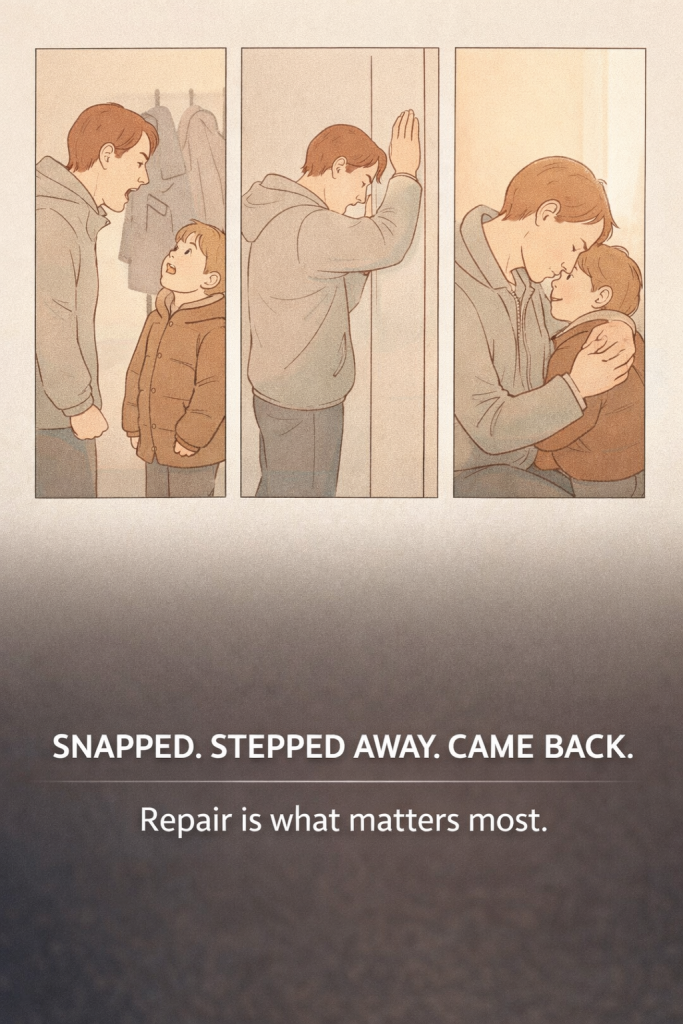
If recurring conflict has left you unsure where to start, reading about how couples rebuild after a hard fight can help you see what repair actually looks like in practice. If exhaustion is mixed into the picture, exploring the difference between burnout and depression may help you put clearer words to what is actually going on inside.
FAQ
What does toxic actually mean in a relationship
Clinically the word points to patterns that cause consistent harm and do not change over time. This includes things like persistent control, repeated dishonesty, and deliberate emotional cruelty. A relationship being difficult, painful, or frustrating does not automatically meet that threshold.
Can a relationship be unhealthy without being toxic
Yes. Many relationships go through real difficulty without crossing into genuine harm. Patterns like poor communication, emotional distance, or reactive conflict can often be addressed with the right support before they cause lasting damage.
What if I feel certain the relationship was harmful
Your experience is real and deserves to be taken seriously. Getting more specific about what happened is not about minimizing your pain. It is about understanding it clearly enough to move forward in a way that actually helps.
How do I know when to leave versus work on a relationship
That decision depends on whether the relationship is safe, whether both people are willing to change, and whether the core pattern is workable. A therapist can help you think through that with more clarity than any label can offer.
Does calling something toxic help or hurt healing
It can offer short-term relief and that is real. Over time it can keep you focused on a verdict rather than on what you actually need to feel better. Getting specific tends to support faster and more lasting recovery than a label does.
The word toxic can feel like solid ground after a relationship that left you confused. Sometimes it is the right word. More often, something more specific is closer to the truth. And the more specific you can get, the clearer your path forward tends to be.
You do not need a label to know that something hurt you. You also do not need one to start healing. What you need is an honest look at what happened and what you want to be different going forward. That kind of clarity takes time and almost always benefits from real support.
If you have been carrying something from a past or current relationship and are not sure where to start, reaching out is a reasonable next step. You do not have to have it all figured out before you walk in the door.
Get Support: Meet Mitch: Meet Mitch (612) 562 9880 Schedule: Schedule a consultation
Sources:
Healthline (2024): https://www.healthline.com/health/toxic-relationship Psychology Today (2024): https://www.psychologytoday.com/us/blog/invisible-bruises/202402/8-signs-of-a-toxic-relationship WebMD (2024): https://www.webmd.com/mental-health/signs-toxic-person