You hear it everywhere now. Someone is “trauma dumping” at brunch. A coworker is “gaslighting” the whole team. A friend texts that she cannot talk because of her “nervous system.” These words came from real clinical concepts. They spread because they gave people language for hard things, and that was genuinely useful. But somewhere along the way, the words stretched. They got borrowed, reshared, and simplified until the meaning blurred. Now some people use them so often that the words stop helping. In some cases, they start getting in the way of real understanding.
What this looks like in real life
Think about the word “trauma.” Clinically, trauma refers to an overwhelming experience that exceeds a person’s ability to cope. It leaves a lasting mark on the nervous system and often requires professional support to process. That is a specific thing. But online, “trauma” now covers everything from a difficult childhood to a bad day at work.
Understanding therapy speak meaning starts with noticing how far these words travel from their clinical roots. A term that once described something serious can turn into a catchall phrase. When that happens, people who are genuinely struggling with clinical trauma may feel like their experience is being minimized. People using the word casually may also think they understand what they are dealing with when they do not.
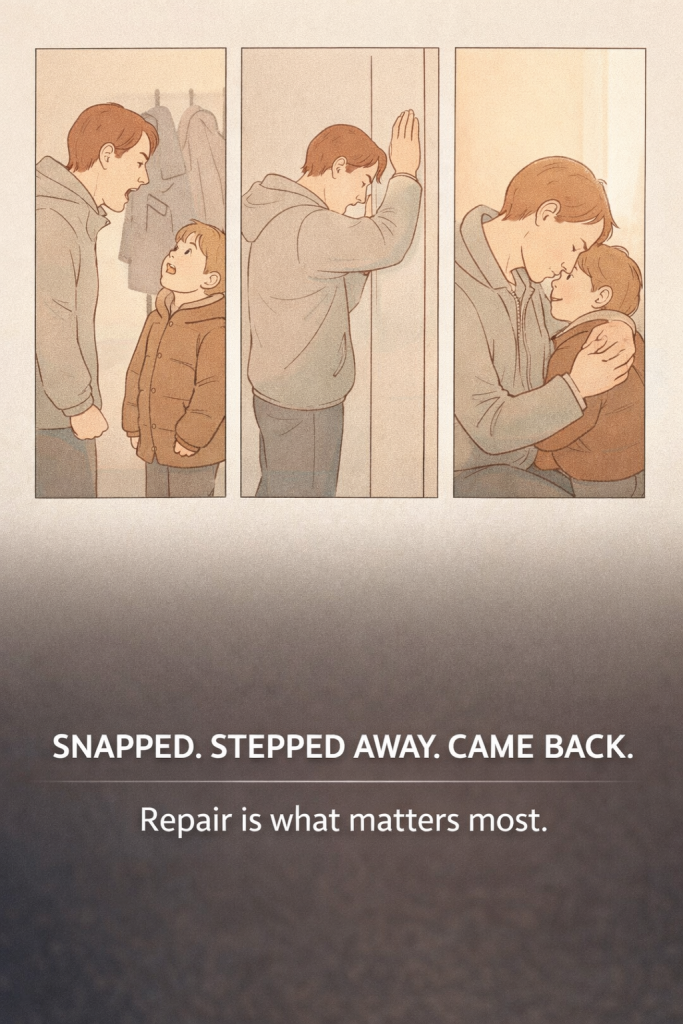
Misused mental health words can create real problems in relationships. When someone says a partner is “gaslighting” them and actually means the partner forgot something or disagreed, it raises the emotional stakes of an ordinary conflict. The other person may feel accused of something serious. The conversation shuts down instead of moving forward.
The same thing happens with “boundaries.” Many people say they want to set healthy boundaries when what they actually mean is they want to avoid something uncomfortable. Boundaries in therapy have a specific job. They protect your ability to show up in a relationship. They are not a reason to end every hard conversation.
None of this means the words are bad. It means the words have traveled further than their meaning could follow.
Why it sticks and what helps
There are real reasons this happened. Social media made therapy concepts go viral. Mental health awareness campaigns encouraged people to learn the language of psychology. That opened doors for a lot of people. More adults started talking about anxiety, depression, and stress without shame.
But the internet tends to flatten nuance. A short video cannot explain the full clinical definition of a term. What gets shared is the simplified version. People hear it, recognize something in it, and pass it along. The word lands farther and farther from where it started.
Using national data as Minnesota specific research unavailable.
Research on mental health literacy shows that knowing what terms actually mean is linked to better outcomes when people seek help. When definitions blur, people may misidentify what they are experiencing. Someone who believes they have complex trauma from a difficult coworker may delay getting help for something real. Someone who labels every hard feeling as a “trauma response” may stop looking for the actual cause.
What helps is slowing down and asking what is really going on. Not every hard feeling needs a clinical name. Sometimes frustration is just frustration. Sometimes tension in a relationship is about miscommunication, not manipulation. Getting specific about what actually happened and what you actually felt tends to be far more useful than reaching for a label.
Minnesota factors to consider
In Minneapolis, mental health awareness has grown steadily over the past several years. People are more willing to talk about anxiety, stress, and relationships than past generations were. That openness is real progress. It has also brought a flood of therapy language into workplaces, schools, and daily conversation.
In St Paul, community organizations work to keep mental health conversations grounded in something real. NAMI Minnesota offers education and support that goes deeper than trending phrases. Their programs help people understand the difference between a rough patch and something that needs professional attention.
Across the Twin Cities, Mental Health Minnesota connects people with accurate resources and information. These organizations matter especially in winter, when short days and cold weather can make existing stress feel heavier and harder to name.
Even casual spaces carry the language now. A break room at Target or a weekend back from lake life up north is as likely to include therapy terms as any online forum. That is not a problem on its own. It becomes one when the words replace honest conversation rather than support it.
A composite example of change
This is a composite example and details are changed for privacy.
A client came in frustrated with his partner. He had been using the word “gaslighting” to describe their arguments. The relationship felt out of control and he did not know how to name it. He was not wrong that something was off. But when we looked closely at what was actually happening in their conversations, the pattern was different from what the term describes.
Working through gaslighting in relationships helped him see that what was actually happening involved poor communication and old defensive habits on both sides. That shift mattered. It changed the goal from proving someone is toxic to learning a better way to talk.
He had also been asking whether his anxiety was a trauma response vs stress without any clear answer. Once we mapped his actual history and current symptoms, things became clearer. He was dealing with chronic work stress and some unresolved grief. Both were real. Neither needed a dramatic label to deserve attention.
When the words got more accurate, he felt less stuck. He could finally act on something specific instead of defending a diagnosis he had given himself.
Practical steps you can start this week
Learning to use mental health language more carefully does not mean abandoning the words. It means using them with more precision. That is actually a sign of emotional literacy, not a step backward. Here are some ways to start.
- When you use a mental health term, pause and ask what specifically happened to make that word feel true.
- Replace “I was traumatized by that” with a more concrete description of what you felt and why it affected you.
- Notice when a label is helping you understand yourself better versus helping you avoid a hard conversation.
- Before calling something gaslighting, ask whether the other person intended to distort your reality over time, or whether this was a single disagreement.
- If you want to set a limit in a relationship, name the specific behavior and what you need, rather than reaching for a blanket term.
- When you feel triggered, try to trace what the feeling connects to and write it down in plain language.
- Check where your mental health information comes from. A peer-reviewed article and a social media clip are not the same level of reliability.
- If a label feels true but also feels confusing, bring it to a therapist who can help you sort it out properly.
If you are trying to figure out what is stress, what is burnout, and what might be something deeper, starting with accurate information helps. Reading about the difference between burnout and depression can give you a more grounded starting point. If you feel stuck and do not know what label fits, exploring what feeling stuck really looks like may help you get more specific about what is actually going on.
FAQ
Is therapy speak always harmful
No. Using mental health language can help people name experiences they did not have words for before. The issue is when terms get stretched so far they lose meaning, or get used to avoid accountability instead of build understanding.
What is gaslighting and what is it not
Gaslighting is a pattern where one person deliberately causes another to doubt their own memory or perception over time. It is not the same as forgetting something, having a different view of events, or disagreeing about what was said.
How do I know if I have real trauma or just stress
That question is worth exploring with a professional. Trauma involves a specific kind of overwhelm that exceeds your ability to cope and leaves lasting effects. Stress can be serious without meeting that clinical threshold. Both deserve attention, and a therapist can help you figure out which fits.
Can using therapy words hurt a relationship
It can. Labeling a partner with a clinical term raises the emotional stakes of a conflict and can shut down honest conversation. Describing the specific behavior that bothered you tends to work better than reaching for a diagnosis.
Should I stop using these words entirely
Not necessarily. Try using them more precisely. When you reach for a term, make sure you can describe the specific behavior or experience behind it. That makes the word useful instead of vague.
If these words have been swirling around your head without giving you any real clarity, that is a sign worth paying attention to. You do not have to figure out the right label on your own. A good therapist can help you get specific about what is actually happening and what would actually help.
Words matter. The more accurately you can describe what you are feeling and what is happening around you, the better positioned you are to get the right kind of support. That is not a small thing. It is where real change tends to begin.
Reaching out to a therapist does not require a diagnosis or a dramatic reason. Wanting to understand yourself better is enough.
Get Support: Meet Mitch: Meet Mitch (612) 562 9880 Schedule: Schedule a consultation
Sources:
APA Monitor on Psychology (2024): https://www.apa.org/monitor/2024/09/therapy-speak Cleveland Clinic (2025): https://health.clevelandclinic.org/what-therapy-speak-is Theoretical Medicine and Bioethics via PMC (2025): https://pmc.ncbi.nlm.nih.gov/articles/PMC12583418/