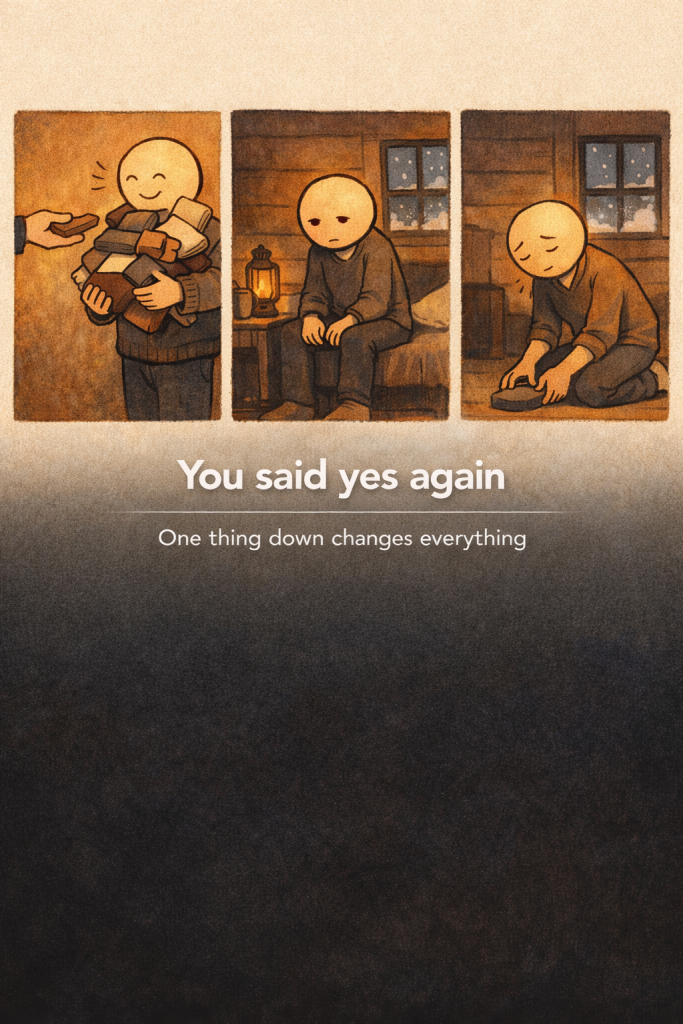
You wake up tired, even after a full night in bed. Work feels heavy, and small tasks take too much effort. You might wonder if you are just burned out, or if something deeper is happening. Many people in Minnesota ask this same question, especially after long busy seasons. The truth is that burnout and depression can overlap, and that can feel confusing. You are not weak for feeling stuck. You are human, and your body is sending a signal. When you can name what is happening, you can choose the right kind of help and start feeling like yourself again.
Burnout and depression can look similar at first
A lot of people search for burnout depression differences when life feels flat and hard. Both can include low energy, poor focus, and irritability. Both can also affect sleep and relationships. That overlap is real, and it can make self diagnosis tricky.
Burnout often starts with long stress and overload, especially at work or caregiving. You may feel cynical, numb, or detached from tasks you once handled well. You may feel relief on weekends, then crash again on Monday. That pattern points more toward workplace emotional exhaustion than a full mood disorder.
Depression can show up across all parts of life, not only one role. Joy drops, motivation shrinks, and even simple routines feel hard. You may pull away from people you care about. Appetite and sleep can change in either direction, and concentration may stay low for weeks.
Think of location and duration. If distress is mostly tied to one setting and improves with real rest, burnout may be leading. If sadness, emptiness, or hopelessness stays present across settings, depression may be growing. You do not need to sort this alone. A careful clinical conversation can clarify what is driving your symptoms and what supports fit best.
What research says about overlap and risk
Research over the last decade shows strong links between burnout, depression, and anxiety. Studies suggest that people with high burnout scores often report depressive symptoms too. This does not mean the labels are identical, but it does mean they can feed each other over time.
Using national data as Minnesota specific research unavailable.
One pattern appears often in clinical practice. Stress starts as fatigue and frustration in one role, then spreads into mood, sleep, and self worth. When stress remains high and recovery stays low, the nervous system can remain on alert. That state can make emotional pain feel constant and hard to shake.
You may hear people use the phrase persistent sadness fatigue to describe this stage. It is a useful plain language signal, not a diagnosis by itself. If those symptoms stay for two weeks or longer, or if they affect safety, work, or family life, a professional assessment is wise.
The good news is that both conditions respond to support. Better boundaries, recovery time, and workload changes can reduce burnout. Therapy, medical evaluation, and structured care can reduce depressive symptoms. Early action matters most. Waiting usually makes the pattern stronger, while small steps taken now can shorten the path back to stability.
How this can show up for people in Minnesota
In Minneapolis, many adults carry heavy loads at work and at home. Cold months can shrink social time and outdoor movement. When stress piles up, mood can drop faster than expected.
In St Paul, people often tell me winter driving adds daily tension before the workday even begins. That steady pressure can wear down patience and sleep over weeks. By late winter, normal stress can feel bigger than your coping tools.
Across the Twin Cities, schedules stay packed with jobs, family care, and community duties. Some people at Target describe high demand seasons that leave little room for recovery. That does not mean everyone develops depression, but it can raise risk when stress stays unbroken.
NAMI Minnesota offers education and support resources that many families find helpful. Reaching out early can prevent isolation and shame from growing. If you notice major changes in mood, energy, or function, talking with a therapist can provide a clear next step and a steady plan.
A composite client story and what changed
This is a composite example and details are changed for privacy. A client came in saying, “I am tired all the time, and I do not care anymore.” At first, they assumed work stress was the full issue. Over a few sessions, we mapped sleep, mood, and daily function. We looked for patterns instead of blaming personality.
They noticed irritability was strongest after long meetings and constant interruptions. That supported a burnout lens, especially with clear signs of workplace overload. We also checked for symptoms outside work, including appetite changes, social withdrawal, and early waking. Those signs raised concern for depression features too.
We reviewed clinical screening options to sort symptom severity and timeline. The goal was clarity, not a label for its own sake. We also tracked when persistent sadness fatigue appeared, and what made it better or worse. Seeing the pattern on paper lowered fear and made decisions easier.
From there, we built stress reset routines they could actually keep during busy weeks. They started brief morning grounding, a hard stop time at work, and one protected evening for recovery. After several weeks, sleep improved and emotional reactivity dropped. They still had hard days, but they felt less trapped and more in control.
What helps when you are unsure where you fit
If you are unsure whether you are dealing with burnout, depression, or both, start with simple tracking. Write down sleep quality, energy, mood, and stress level each day for two weeks. Look for when symptoms spike, and where they show up. This turns vague distress into useful information you can discuss in therapy.
I often suggest reading one grounded article before your first appointment so you can name your questions. This post on why men wait to try therapy can help if fear or pride is part of the delay. Many people feel relief once they see their patterns are common and treatable.
When symptoms are moderate, practical habits plus therapy can create real change. When symptoms are severe, include your primary care provider to rule out medical contributors and discuss treatment options. You do not have to choose one path forever. Care can be adjusted as your needs change.
Here are practical steps you can start this week.
- Pick one daily check in time and rate mood, stress, and energy from 1 to 10.
- Protect one 20 minute recovery block each day with no screens and no work tasks.
- Set a firm end time for work on at least four days this week.
- Eat regular meals, even when appetite is low, to support stable energy and focus.
- Move your body for 10 to 20 minutes most days, indoors or outdoors.
- Tell one trusted person what you are experiencing and ask for one specific support.
- Book an initial therapy consult and bring your two week symptom notes.
- If safety concerns appear, contact emergency services or a crisis line right away.
These steps are not about doing everything perfectly. They are about creating enough stability so your brain and body can recover.
FAQ
How do I know if this is burnout and not depression?
Burnout often ties to a role, like work, and may ease with rest. Depression usually affects many parts of life and lasts longer. If symptoms stay strong for weeks, get a professional assessment.
Can I have both at the same time?
Yes, many people do. Ongoing stress can lower coping capacity and worsen mood over time. A therapist can help identify what started first and what needs attention now.
Should I see a doctor or a therapist first?
Either is a good start. A therapist can assess mood and stress patterns, and a doctor can rule out medical factors like thyroid, sleep, or medication effects. Many people benefit from both.
How long does recovery usually take?
It depends on symptom severity, life stress, and support. Some people feel better in a few weeks with targeted changes. Others need several months of steady care and follow through.
What if I feel embarrassed asking for help?
That feeling is common, and it makes sense. You can start with one private consult and decide your next step after that. Asking for help is a practical health decision, not a personal failure.
If this sounds familiar, you are not alone and you are not broken. Burnout and depression are both treatable, and progress often starts with one honest conversation. Small changes in sleep, workload, and support can reduce symptoms faster than most people expect. Therapy can help you sort what is stress, what is mood, and what to do next. If you live in Minnesota, you can build a plan that fits your season, schedule, and family life. You deserve care that feels clear, respectful, and workable.
You do not need to figure this out by yourself. Get Support: Meet Mitch: Meet Mitch (612) 562 9880 Schedule: Schedule a consultation