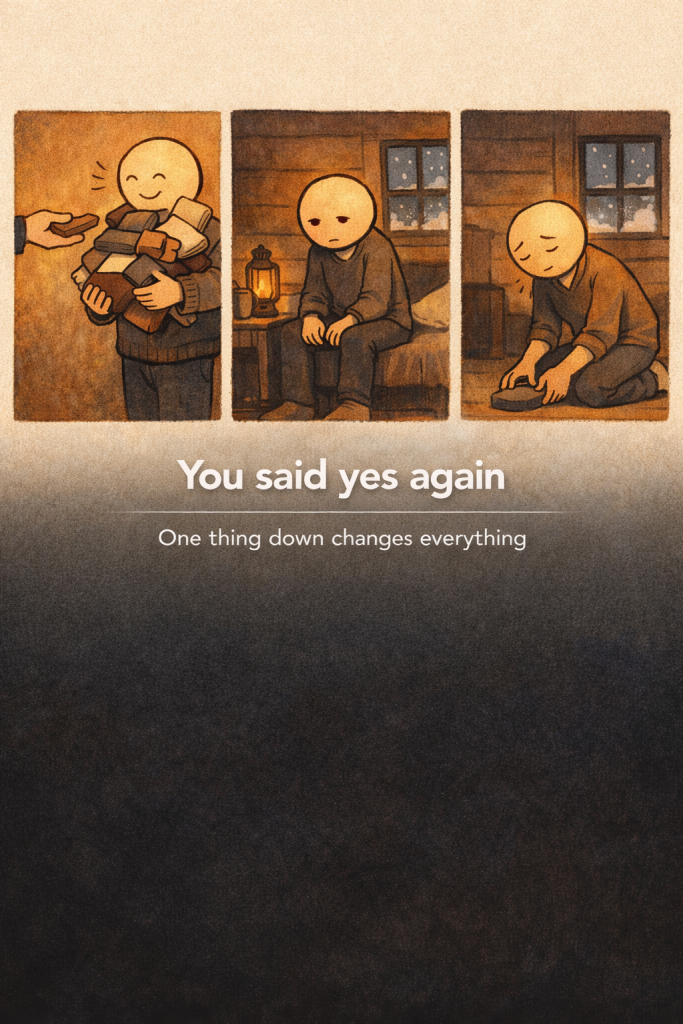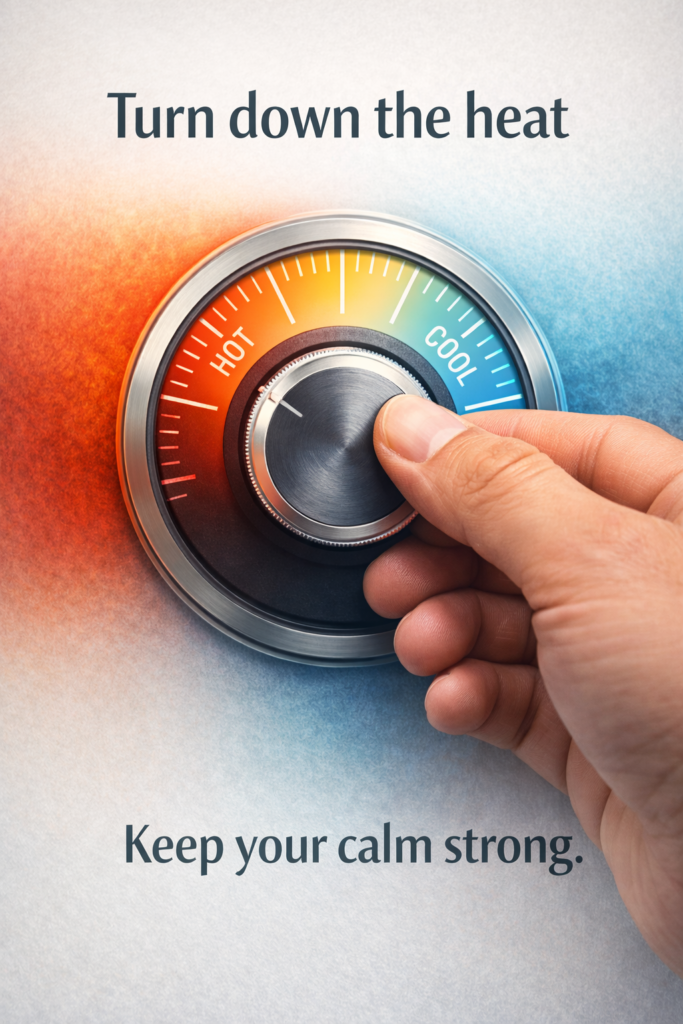
When a fight ends, the silence can feel louder than the argument. You might replay every sentence on the drive down Highway 169, or sit on the couch while the TV keeps going and neither of you feels like moving first. In deep Minnesota winter, that distance can stretch fast, because everyone is tired, schedules are packed, and the roads are icy before you even get home. The good news is that most couples do not need a perfect conversation to feel close again. They need a simple repair that lowers tension and reminds both people, we are on the same team. This article gives you a clear way to reconnect without rehashing every detail.
Why fights linger longer than they should
A fight usually is not just about what happened. It is about what the moment meant. One partner hears criticism. The other hears dismissal. Then the nervous system takes over and you get defense, shutdown, or a flood of words that do not match your values.
In my work with couples around Minneapolis, St Paul, and Minnetonka, I often hear the same pattern. The argument ends, but the mood stays. Both people want closeness, yet neither wants to risk another round. The longer it sits, the more you start building a story about what your partner intended. That story is usually harsher than reality.
A useful mindset is that you are not trying to win the history. You are trying to restore connection. Relationship research often emphasizes that the turning point is not whether you avoid conflict, but whether you can repair and de escalate when it shows up. If you want a deeper read on repair attempts and what helps couples move forward, this overview is a solid starting point: Managing vs. resolving conflict in relationships.
Here is a simple map to use after a fight.
-
Pause until both of you are regulated enough to speak kindly.
-
Name the shared goal, which is to get back on the same team.
-
Validate the feeling before you debate the facts.
-
Choose one small next step that makes tomorrow easier.
-
Close the loop with a small gesture, like a hug, tea, or sitting together.
If you do this consistently, you will notice something important. The relationship starts to feel safer even when you disagree, because you trust you can come back together.
A step by step repair script you can use tonight
Many couples think the repair has to be long and emotional. It does not. A good repair is brief and honest. It clears the air. You can breathe again.
Start with a soft opener. Try this.
-
I do not like how that went.
-
I care about you and I want us to feel close again.
-
Can we do a reset.
Then name your part without defending it. You are not confessing to be punished. You are showing accountability.
-
When I raised my voice, I crossed a line.
-
When I shut down, I left you alone in it.
Next, reflect what you think your partner felt. Keep it simple and check for accuracy.
-
I think you felt dismissed and alone. Is that right.
-
I think you felt attacked and not respected. Is that right.
Now ask for what you need, in language, without blame.
-
I need a calmer tone so I can stay present.
-
I need a moment to think before we keep going.
This is where couples counseling can help, because you practice these skills with structure, instead of trying to invent them in the moment. It is also where repair after a fight becomes consistent, because you learn a shared process you both recognize.
If apologies are hard for either of you, it can help to learn what makes an apology land. This piece summarizes what clinicians and researchers tend to emphasize about effective apologies: Why learning to apologise well could save your relationships.
Finally, end the repair with a concrete plan.
-
Let us take a walk around the block and then eat.
-
Let us pause this topic and revisit it tomorrow after work.
You are not avoiding. You are choosing timing. That is conflict recovery.
How to stop rehashing and still feel understood
Rehashing happens when one person feels unheard and the other feels blamed. The fix is not more detail. The fix is clarity about the emotional story.
Try a two lane approach.
-
The feelings lane: what this brought up for me.
-
The actions lane: what we will do differently next time.
In the feelings lane, keep it short.
-
I felt small when that happened.
-
I felt scared we were drifting.
In the actions lane, keep it concrete.
-
Next time we will take a ten minute pause before we respond.
-
Next time we will not talk about this topic in the car.
-
Next time we will name the goal before the problem, like we both want to feel close.
Notice what is missing here. There is no trial, no long timeline, no inventory of past wrongs. That is how you protect emotional safety while still taking the conflict seriously.
If you want local support outside therapy, Minnesota has strong community resources. Many people find NAMI Minnesota and Mental Health Minnesota helpful for education, groups, and referrals. Even a class or group can reduce isolation and give you language for what is happening at home.
If in person time is hard to coordinate, telehealth tools can still support skill building. A 2025 review of digital relationship interventions suggests there can be benefits for relationship satisfaction when programs are well designed and used consistently: Effectiveness of digital interventions on relationship satisfaction.
This is a composite example and details are changed for privacy.
A couple argues after a long day. One partner stops at Target to grab groceries and gets home later than expected. The other has been juggling kid pickup, dinner, and a sick parent call. When the late partner walks in, the greeting is sharp. The response is defensive. Within minutes, the argument is not about groceries.
After the argument, both sit in separate rooms. The late partner thinks, I am always the bad guy. The waiting partner thinks, I cannot rely on you. They both want closeness, yet both feel unsafe. The next morning, the silence continues, and the story in each person’s head grows.
They try a short repair. The late partner says, I do not like how I came in hot. I get that you were carrying a lot. The waiting partner says, I also came in sharp. I was overwhelmed and I wanted help, not a fight. They agree on one next step that is small enough to keep.
On weekday evenings, they send a quick text if timing changes and they decide who is on dinner before the day starts. They also agree that if a topic starts spiraling, they will pause and come back after everyone is calmer. That shift creates conflict recovery without needing a long postmortem.
Practical ways to rebuild closeness this week
Repair after a fight is a skill, not a personality trait. In January, when the sun sets early and people are running from school pickup to work to homework, small rituals matter even more.
In places like Rochester, Duluth, and Mankato, the practical parts of life can crowd out connection. Healthy boundaries make the repair feel safe for both of you.
If you have ever felt disconnected after a fight, try a few of these and keep what works.
-
Use a time out with a return time, like we will talk again at 8.
-
Start with one sentence of responsibility before any explanation.
-
Ask, what do you need right now, comfort or problem solving.
-
Keep one daily check in that is not about logistics.
-
Do one shared activity that lowers tension, like a walk on a plowed path or a short drive to the Mississippi River.
-
Replace mind reading with a question, like what did that mean to you.
-
Make one repair attempt that fits your style, humor, touch, or a simple thank you.
-
Choose one boundary for arguments, like no yelling and no name calling.
-
End the day with one small bid for connection, even if you are still annoyed.
These steps work best when you both treat the relationship as the priority, not the argument. This is what healthy boundaries look like in real life. They protect the bond instead of building walls.
If you are noticing the same loop repeating, consider getting support sooner rather than later. Couples counseling can help you learn a shared process and practice it in a way that feels fair to both people. If you want to try this with guidance, schedule a consult and bring one recent argument you both want to handle better. A weekend like the Minnesota State Fair is more fun when conflict does not follow you home.
FAQ
How soon should we talk after a fight
Aim for when both of you can speak with respect. For some couples that is within the hour. For others it is the next morning after sleep, coffee, and a calmer body.
What if one of us needs more time
Agree on a return time so the pause does not feel like abandonment. Then keep that commitment and return when you said you would.
Do we have to resolve the issue right away
No. The first job is reconnection. Resolution can come after you feel calm and on the same team.
What if the same topic keeps coming back
Treat it as a pattern issue. Focus on a repeatable process and clear agreements, not perfect words.
How do we rebuild emotional safety after harsh words
Start with responsibility and empathy. Then set a boundary for future conflict and follow through consistently so your partner can trust the change.
Is it better to talk in person or by text
Text is useful for logistics and quick reassurance. Deeper repairs usually go better face to face or by phone, where tone and pacing are clearer.
When should we consider therapy
If fights are frequent, escalated, or leading to distance, support can help. It is also useful if trust has been damaged or if you feel stuck and hopeless.
Get Support:
Meet Mitch: Meet Mitch (612) 562 9880
Schedule: Schedule a consultation