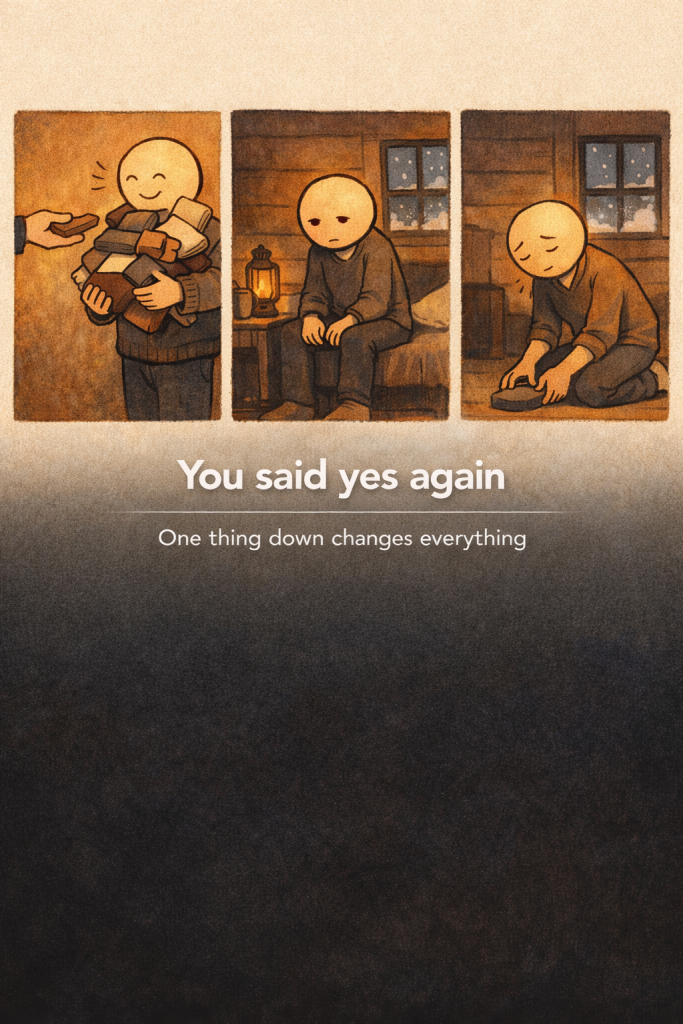
Losing a job can feel like the floor drops out from under you. One day you are busy, needed, and in motion. The next day you are staring at emails, bills, and a calendar that suddenly looks too open. In Minnesota, this can hit even harder in winter when the days are short and routines matter. If you are feeling numb, irritable, or panicky, it does not mean you are broken. It means your nervous system is reacting to a real shock. This article gives you a steady plan you can use right away, plus signs that it may be time to reach out for therapy for career transitions.
The first 72 hours after a layoff
A layoff is not just a financial event. It is an identity event. Your brain often treats it like danger, even if you have savings and a strong resume.
Start with one goal: reduce the noise so you can think clearly. That begins with basics.
-
Tell one trusted person today. A sibling in Rochester, a friend in Minneapolis, or a neighbor in Minnetonka counts. Isolation makes stress louder.
-
Create a simple daily anchor: wake time, a morning walk, and a set lunch time. Structure calms the body.
-
Limit doom scrolling. Check news once, then step away.
-
Write down the facts you know. Your mind will fill gaps with fear if you do not name the reality.
-
Choose one small task you can finish in 20 minutes. Action restores control.
If you notice racing thoughts, tight chest, or trouble sleeping, you are not alone. Job loss anxiety can show up fast, especially at night.
Some people also feel shame. Shame says, “This is who I am.” A layoff is usually about budgets, reorganizations, or timing. It is not a verdict on your worth. A helpful reframe is: “This is a disruption, not a definition.” If you need to say it out loud, do it.
This is also where layoff stress can spike. Stress rises when your brain cannot predict what happens next. You do not need to solve everything this week. You need a plan that keeps you steady.
What job loss does to the mind and body
When people describe job loss depression, they often start with energy. It can feel hard to get moving. You might sleep too much, sleep too little, or wake up with a knot in your stomach.
There is also a grief component. You may miss coworkers in St Paul, the rhythm of your commute, or the sense of being part of something. Grief can look like sadness, anger, or emotional flatness.
A layoff can also trigger older fears, like “I will not be safe” or “I will not be chosen.” Those fears do not always match your real situation, but they can feel convincing.
Using national data as Minnesota specific research unavailable.
Research across many countries links unemployment with higher rates of anxiety and depression symptoms, and many people improve when they return to stable work. That pattern matters because it reminds you this is not a personal weakness. It is a predictable human response to uncertainty and loss of structure.
If you are in the Twin Cities, you may also feel pressure to look fine. People can be polite and quiet about hard things. If you notice yourself avoiding friends, skipping the gym, or withdrawing from community, consider that a signal to add support.
Also watch for these common patterns:
-
Over applying for jobs with no recovery time.
-
Avoiding all job search tasks because it feels overwhelming.
-
Comparing yourself to others on LinkedIn and feeling worse.
-
Snapping at family because you feel on edge.
If any of this sounds familiar, you are not alone. Minnesota unemployment support can include practical services, but emotional support matters too.
A steady week by week plan that protects your confidence
You do not need a perfect plan. You need a repeatable one. A good rhythm has three tracks: body, connection, and career steps.
Body first. In winter, even a short walk helps. A loop around Lake Nokomis, a lap at a local indoor track, or a walk at the Mall of America counts. Movement tells your brain you are not stuck.
Connection next. Pick two people you can talk with honestly. One can be practical, like a former manager. One can be personal, like a friend who can sit with feelings. If you already work with NAMI Minnesota groups or know someone who does, that can be another option for support.
Career steps last. Choose three job search tasks each week, not ten. Smaller wins build momentum. For example:
-
Update your resume for one target role.
-
Reach out to two contacts for short chats.
-
Apply to two roles that truly fit.
Many people also need to rebuild confidence after a layoff. Confidence is not a pep talk. It is the experience of keeping promises to yourself, even small ones.
If you want therapy support, you can learn more about Meet Mitch and what to expect in a first conversation. Therapy for career transitions is often about steadying the nervous system, updating unhelpful beliefs, and building a plan you can follow without burning out.
A composite example of recovery after a layoff
This is a composite example with details changed for privacy.
A person in the Minneapolis area lost a role during a restructuring. They had a strong track record and still felt a rush of panic each morning. They started avoiding friends and kept replaying the meeting in their head.
At first, they tried to fix the feeling by applying to jobs nonstop. After a week, they were exhausted and more hopeless. We often see this cycle: more effort, less clarity, more fear.
They shifted to a steadier approach. They set a morning routine, limited job search time to a set window, and added two weekly connection points. They also noticed a belief underneath the anxiety: “If I slow down, I will fall behind.” That belief kept their body in a constant sprint.
Over time, they practiced a different belief: “Steady effort beats panic effort.” Their sleep improved. They reached out to a former colleague at Target and got honest feedback on their resume. They also added one enjoyable activity each week, like a coffee stop in Edina or a weekend drive toward the North Shore.
The point is not that everything became easy. The point is that their nervous system stopped treating each day like an emergency. That is how job loss anxiety often starts to loosen.
Practical tools to reduce stress and move forward
Here are tools you can use this week. Pick a few and practice them consistently.
-
Create a two hour daily job search window and stop when it ends.
-
Write a simple script for networking messages so you do not overthink each one.
-
Practice a three minute breathing routine before bed to help your body downshift.
-
Use a thought log when you notice spirals like “I will never find work.”
-
Schedule one low cost social plan each week to stay connected.
-
Choose one skill to sharpen for four weeks, then reassess.
-
Build a simple budget plan so money fears feel more defined.
-
Add a small morning movement habit, even if it is ten minutes indoors.
-
Track wins each day, including small ones like “sent two messages.”
Layoff stress often shrinks when you stop trying to solve your whole life in one day. If you are having trouble doing any of this alone, that can be a sign to get support. Minnesota unemployment support can help with job search services, and therapy can help with the emotional load.
As you practice these steps, notice the bigger goal: confidence after a layoff returns when your days become predictable again. That is one reason therapy for career transitions can be so effective. It helps you build a plan you can follow, even when emotions spike.
FAQ
How long does it take to feel normal after a layoff?
Many people feel a shock response for a few weeks. With routine, support, and steady action, the intensity often improves. If symptoms are getting worse after a month, consider talking with a therapist.
How do I know if this is depression or just stress?
If you have persistent low mood, loss of interest, sleep changes, and difficulty functioning, it may be job loss depression. A therapist or medical provider can help you sort out what is going on.
What if I feel ashamed and do not want to tell anyone?
Shame grows in silence. Start with one person you trust. You can keep it simple: “I got laid off and I could use a little support.”
How can I support my partner if they were laid off?
Ask what kind of support they want. Some people want encouragement. Others want practical help. Help them keep a simple routine and avoid constant job talk at home.
Should I apply to jobs all day to increase odds?
More is not always better. Focus on quality, networking, and recovery time. Over applying can increase anxiety and reduce clarity.
What if I am terrified about money?
Make the fear concrete. Write a basic budget and list your options. Practical planning calms the nervous system more than vague worry.
When is therapy worth it after job loss?
If anxiety, sleep, irritability, or hopelessness are disrupting daily life, therapy can help. It can also help you rebuild confidence after a layoff and make decisions from a steady place.
You are allowed to feel shaken by this. At the same time, you can move forward without forcing yourself into panic mode. Your next chapter can be built with steady steps, support, and a plan that fits real life in Minnesota. If you want help creating that plan, consider scheduling a consultation. You do not have to do this alone.
Get Support:
Meet Mitch: Meet Mitch (612) 562-9880
Schedule: Schedule a consultation
Sources:
-
Unemployment and mental health a global study of unemployment influence on diverse mental disorders (Frontiers in Public Health, 2024): https://www.frontiersin.org/journals/public-health/articles/10.3389/fpubh.2024.1440403/full
-
Mental health effects of unemployment and re employment a systematic review and meta analysis of longitudinal studies (BMJ Open, 2025): https://pmc.ncbi.nlm.nih.gov/articles/PMC12505101/
-
Inside the rise of layoff support groups (Business Insider, 2025): https://www.businessinsider.com/inside-rise-layoff-support-groups-lucrative-influencers-careers-employment-2025-6