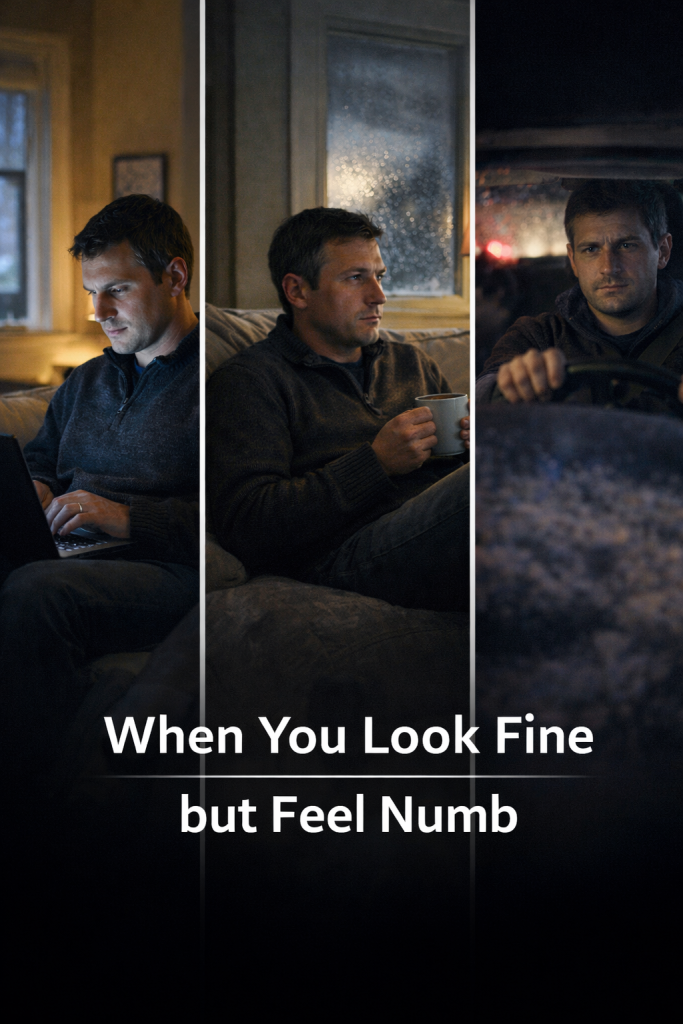
It is easy to tell yourself you are just stressed. Work is busy, kids need you, winter feels long, and you are trying to hold it together. Then one small thing happens and you snap. Or you go quiet and disappear into your phone, the garage, or another project. If this feels familiar, you are not broken. For many people, anger and irritability in men can be the first visible sign that the nervous system is overloaded.
In Minnesota, that overload can build quietly through short days, icy commutes, and pressure to be steady for everyone else. The good news is that anger is often a signal, not your identity. When you learn to read the signal, you can respond with strength and clarity.
Why anger can be a hidden stress signal
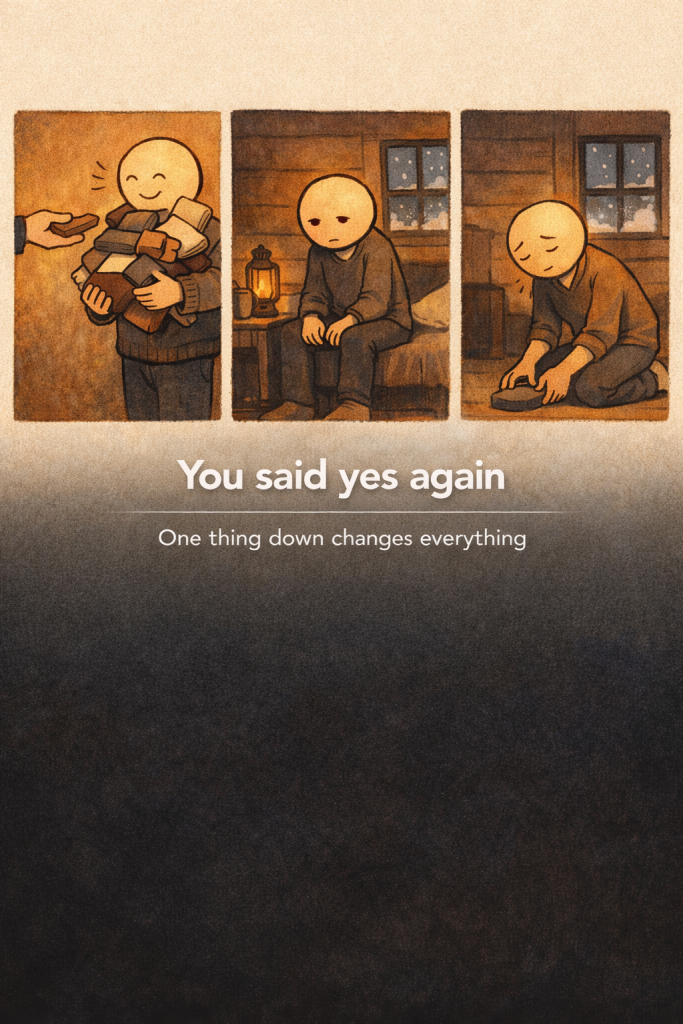
Anger is a normal emotion. The problem is when anger becomes your default outlet for everything else. Many men were taught to push through discomfort, solve the problem, and move on. That can work for a while. But if stress, grief, anxiety, or shame has nowhere to go, it often leaks out as irritability, impatience, sarcasm, or a short fuse.
A common pattern is escalation. Stress rises, your body shifts into fight or flight, and your mind looks for a target. You might notice tight chest, pressure behind your eyes, clenched jaw, or a restless need to do something right now. Underneath, it can be fear about money, guilt about parenting, loneliness, or feeling disrespected.
Another pattern is shutdown. Some men do not blow up. They go quiet, withdraw, and seem distant. Partners often describe it as living with a roommate. This can still be stress driven, and it can still damage connection.
If you have ever wondered why your patience is gone, why small things feel huge, or why you keep replaying arguments in your head, you are not alone. Anxiety in men often shows up as tension, control, and agitation more than worry words. Naming the pattern is not weakness. It is the first step toward change.
Minnesota stressors that can turn up the heat
Minnesota has pressure points that can amplify stress. In January, darkness hits early and cold weather keeps many people indoors. In Minneapolis and St Paul, the day can feel like a sprint from commute to work to family tasks. In Minnetonka and nearby suburbs, the schedule can be just as full, with more driving and less downtime.
Work culture matters too. Many men feel they must be the steady one. At a local company like Target, in a trade job, or in a healthcare role connected to Mayo Clinic in Rochester, the expectations can be intense. Even if you like your job, constant urgency can drain your system.
Downtime can help, but it is easy to turn it into another task. A Wild game, a weekend in the garage, or ice fishing with friends can recharge you, or it can become a place you hide when you feel overwhelmed.
Minnesota culture can also shape how men cope. Being polite and keeping the peace is a strength. It can also become a trap if you swallow your frustration all day and then unload at home. That pattern is common after big transitions like divorce, custody schedules, or moving.
Support can help, especially when it is local. NAMI Minnesota and Mental Health Minnesota are two organizations people use to learn about resources and reduce stigma. Therapy can also help you build practical tools that fit your real life. If you are looking for mens therapy in Minnesota, the goal is not to make you talk in circles. It is to help you feel steady, communicate clearly, and lead your life with intention.
What research says about irritability, masculinity, and mood
Research has been paying more attention to irritability as a real mental health signal, not just a personality trait. Large studies show irritability often overlaps with symptoms linked to depression and anxiety. That matters because many men do not label their experience as sadness. They label it as stress, frustration, or being fed up.
Another piece is the role of rigid masculinity rules. When a man believes he must always be tough, independent, and in control, he may have fewer options for coping. Over time, pressure can show up as anger, withdrawal, or risky coping choices. The problem is not masculinity itself. The problem is when the rules become so tight that you cannot adapt.
There is also good news in the science: skills work. Practices that calm the body and shift attention can reduce stress and improve regulation. Breath training and mindfulness based approaches have evidence for supporting calmer responses when emotions surge. These tools help you get back access to your best self.
Think of anger as the smoke, not the fire. The fire might be burnout, unresolved grief, chronic stress, or depression in men that has been hiding behind performance. When you treat the fire, the smoke decreases. This is why anger and irritability in men deserves attention, especially when it feels new or out of proportion.
A composite Minnesota example
This is a composite example and details are changed for privacy.
A Minnesota dad living in St Paul noticed he was constantly on edge. He was not yelling every day, but he was sharp. If the kids left boots in the entryway, he snapped. If his partner asked a simple question, he heard it as criticism. At work, he held it together, then came home and felt like he had nothing left.
He told himself it was just winter and work stress. Then a weekend argument spiraled and he left the house to cool off, driving around the neighborhood in the cold. Sitting in his car, he realized he was not actually mad about the dishes. He was scared. He was worried about money after a change in hours, and he felt ashamed that he could not fix everything immediately.
What helped him was a shift from judging the anger to getting curious about it. He began tracking when it showed up and what happened in his body first. He practiced a short reset before walking in the door. He also learned to ask for what he needed without blaming. The goal was not perfection. The goal was repair and steadiness.
Tools to cool the system
If anger is your warning light, you need tools that work in real time. Think of this as building emotional regulation skills that protect your relationships and your health. Try a few of the strategies below for two weeks, then keep the ones that actually help.
-
Name the real feeling in one sentence. Try: “I feel overwhelmed” or “I feel disrespected” or “I feel scared about money.” Say it to yourself first.
-
Do a two minute body reset before you enter the house. Sit in the car, drop your shoulders, unclench your jaw, and slow your exhale.
-
Use diaphragmatic breathing for five slow breaths. Put one hand on your belly and feel it rise. Longer exhales help signal safety.
-
Set a transition routine after work. Change clothes, take a short walk, or shower. Your brain needs a boundary between roles.
-
Reduce trigger stacking. If you are hungry, tired, and overstimulated, you are more likely to blow up. Eat, hydrate, and take ten minutes of quiet.
-
Replace mind reading with a check. Instead of assuming, ask: “What did you mean by that?” Use a calm tone and listen for the answer.
-
Make one clear request instead of a complaint. Try: “Can you give me ten minutes to decompress, then I am all yours.”
-
Use the repair rule. If you snapped, come back within an hour and say: “That came out hot. I am sorry. Here is what I meant.”
-
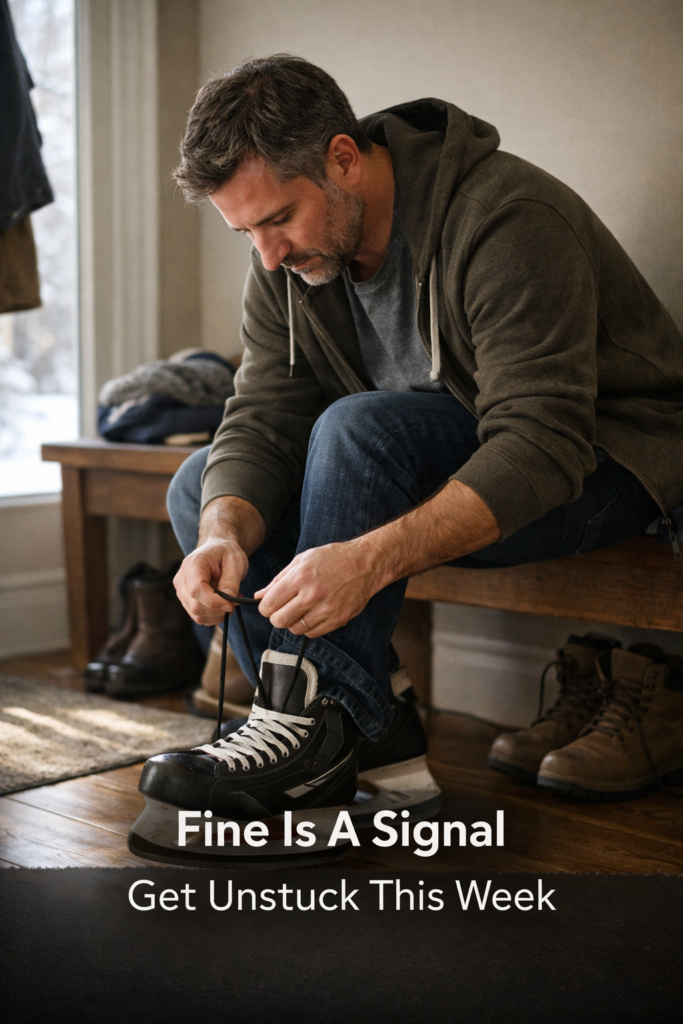
Build one weekly outlet that is not productivity. Lift, skate, play pickleball, or meet a friend. Movement and connection reduce pressure.
-
If you want structured support, learn what therapy looks like in How it works. Having a plan can reduce the feeling that you must handle it alone.
FAQ
How do I know if my anger is actually stress
If it rises when you are tired, hungry, overloaded, or feeling cornered, it is often stress. Track patterns for a week and look for trigger stacking.
Can anxiety show up as anger
Yes. Anxiety in men can look like irritability, urgency, and control. The body feels threatened, so the mind looks for a problem to fight.
Could this be depression even if I am not crying
Yes. Depression in men can include low motivation, irritability, sleep changes, and withdrawal. If it lasts most days for two weeks, consider talking with a professional.
What if my partner thinks I am just being rude
Invite a calm conversation when you are both regulated. Explain you are working on it and share one concrete change you are trying this week.
What can I do in the moment when I feel the surge
Pause, lower your voice, and slow your exhale. Say: “I need a minute.” Then return and repair. Small pauses prevent big damage.
Does therapy actually help with anger
Yes, especially when you focus on patterns, body cues, communication, and emotional regulation skills. You do not have to relive your whole past to get results.
How do I find the right therapist in Minnesota
Look for someone who is direct, practical, and experienced with men, stress, and relationships. If you want mens therapy in Minnesota, choose a therapist who helps you build tools you can use the same day.
If you are reading this and thinking, “This is me,” take that seriously. Anger is not a character flaw. It is often a signal that your system has been carrying too much for too long. With the right tools, you can feel calmer, communicate better, and show up as the man you want to be.
If you want support, a good next step is a consultation to talk through what you are noticing and what change would look like. You do not have to figure it out alone.
Get Support:
Meet Mitch: Meet Mitch (612) 562 9880
Schedule: Schedule a consultation
Sources:
-
Prevalence and correlates of irritability among U.S. adults (Molecular Psychiatry, 2024): https://www.nature.com/articles/s41386-024-01959-3
-
Rethinking masculinity to build healthier outcomes (American Psychological Association, 2025): https://www.apa.org/monitor/2025/11-12/rethinking-masculinity
-
The Effect of Diaphragmatic Breathing as a Stress Management Tool (Healthcare, 2025): https://pmc.ncbi.nlm.nih.gov/articles/PMC11763547/