Last week you felt fine. Then your heart started racing, your chest got tight, and your hands went numb. You tried to talk yourself out of it, but your body kept sounding the alarm. After it passed, you were left with one question: “What is wrong with me?”
If this has happened to you in Minnesota, you are not alone. Panic can show up in a Target checkout line, on I 94, at a meeting in downtown Minneapolis, or while shoveling heavy snow in January. The good news is that panic is treatable, and there are practical steps you can start using right away.
When a panic attack makes your body feel out of control
A panic attack can feel like an emergency. Your body may surge with adrenaline, your breathing can get shallow, and scary thoughts can rush in. Common signs include chest pressure, dizziness, sweating, nausea, tingling, or unreality. The fear often becomes part of the cycle: fear of the symptoms makes the symptoms stronger.
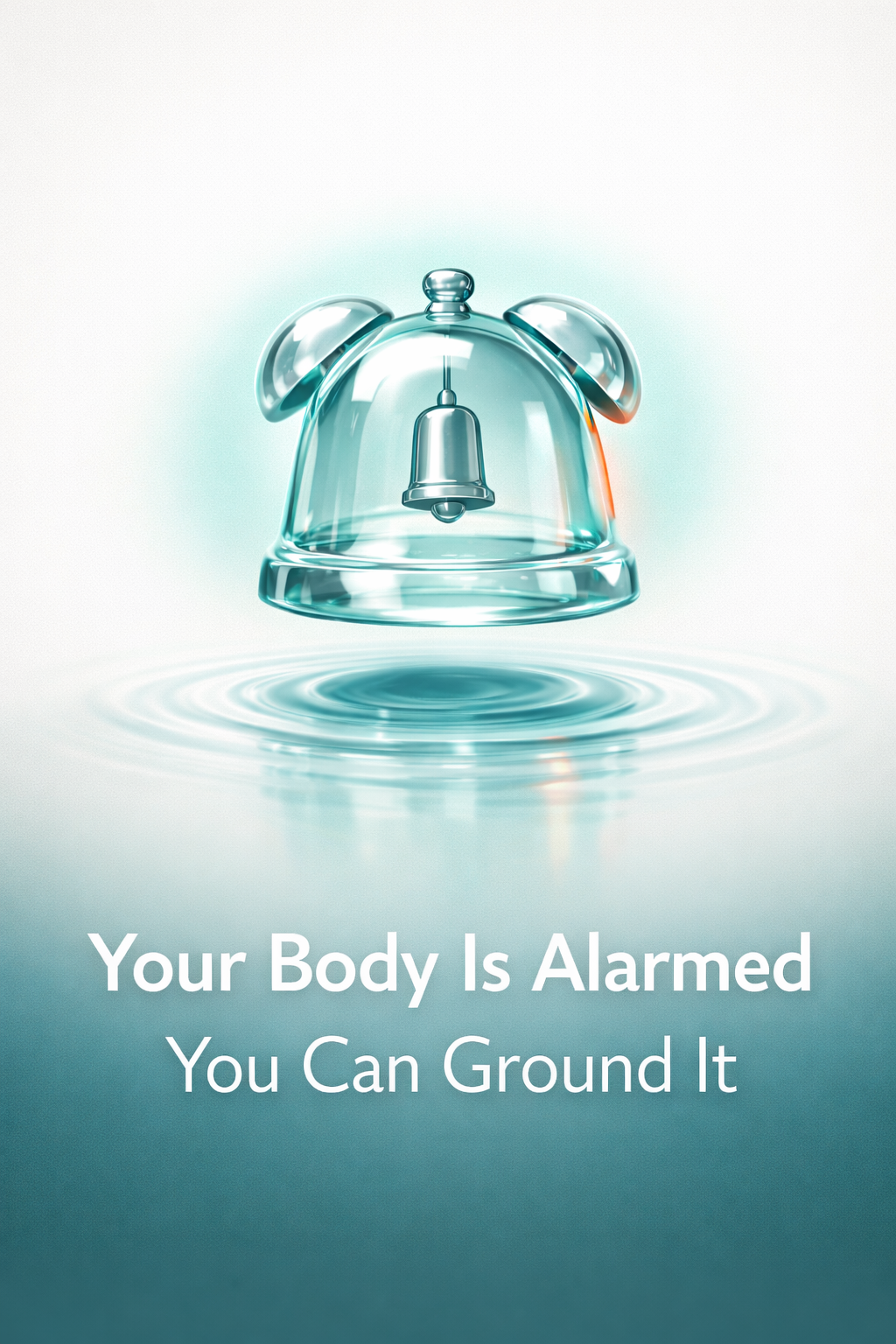
Panic is not a character flaw. It is your nervous system trying to protect you, even when there is no true danger. Think of it like a smoke alarm that is too sensitive. The alarm is loud, but it is not proof that the house is on fire.
One reason panic sticks around is that people start avoiding triggers. They may stop going to the gym, avoid driving across the Mississippi River bridges, skip crowded events like the Minnesota State Fair, or keep their world small to prevent the next episode. Avoidance can bring short relief, but it teaches the brain that the sensations are dangerous.
Many people also develop safety behaviors that keep the cycle alive. You might constantly check your pulse, sit near exits, or carry water everywhere. These can accidentally tell your brain, “I need protection because this is dangerous.”
This is where panic attack therapy in Minnesota can help. A good plan focuses on skills that calm the nervous system and on gradual practice that retrains the fear response. Over time, the goal is not to eliminate all anxiety. The goal is to build trust in your ability to ride the wave and come back to baseline.
Why panic can feel worse in Minnesota
Minnesota life has its own stress load. Winter can mean less daylight, tighter schedules, and more time indoors. Driving on icy roads around Saint Paul or Bloomington can increase baseline tension, especially if you have had a scare on the freeway. Work stress can stack up in industries common here, like healthcare, education, and large employers such as 3M. Family routines can feel packed with school activities, hockey practices, and long commutes.
Seasonal habits can add pressure too. Some people reduce movement in winter, drink more caffeine, or scroll later at night. Even a small sleep shift can lower resilience. If you live near Lake Minnetonka, you might notice how a calm summer routine changes when roads are slick and daylight is short.
Community values matter too. Many Minnesotans are steady, capable, and used to pushing through. That can be a strength, but it can also make it harder to ask for help. People may tell themselves to “tough it out” even when their body is pleading for a reset.
If you are reading national statistics about anxiety, remember this: Using national data as Minnesota specific research unavailable. Even so, the patterns often match what people describe locally: chronic stress, sleep disruption, and increased worry after big life changes.
Support exists here. NAMI Minnesota and Mental Health Minnesota offer education and peer support options that can reduce isolation. For many people, anxiety therapy in Minnesota is also a practical next step, especially when panic starts affecting driving, work, parenting, or relationships.
What research says helps panic calm down
Research consistently supports cognitive behavioral therapy approaches for panic and related anxiety. A big theme is learning to respond differently to body sensations. When you stop treating sensations as danger, the alarm system quiets down.
A strong skill set usually includes noticing your thoughts, regulating breathing, and changing avoidance. Exposure based work is also important. That means practicing what you fear in safe, gradual steps so your brain learns, “I can handle this.” A key piece is interoceptive exposure, which is practice with safe body sensations, like increased heart rate from brief movement.
Some people do this in office sessions, and many do it through telehealth with guided practice between sessions. For many adults, telehealth therapy in Minnesota can be a practical fit when schedules and winter weather make travel harder. Digital CBT programs can help with practice and support.
Rumination can keep panic going too. When the mind keeps replaying “What if it happens again,” the body stays on edge. Research on rumination focused methods suggests less repetitive thinking can lower distress over time.
If you want a simple takeaway: coping skills for panic attacks work best when you practice them before the next wave hits, not only during the storm.
A composite example from a Minnesota resident
This is a composite example and details are changed for privacy. Imagine a working parent in Rochester who started getting panic symptoms while driving to appointments. The first episode happened after a stretch of poor sleep and long workdays. After that, the fear of another episode became the main problem.
The parent began scanning for danger signs: heart rate, breathing, and every lightheaded moment. They started avoiding Highway 52 and turned down social plans. They felt embarrassed and kept it private.
What helped was a steady plan. They learned to label sensations as “alarm signals” rather than proof of danger. They practiced a short grounding routine daily and reduced caffeine before drives. They also did exposure steps, like driving one exit at a time while using skills.
Over a few weeks, the panic episodes became less frequent and less intense. The biggest change was confidence: the fear of fear started to shrink. They could take their kids to activities again and say yes to a weekend visit in Duluth without the same dread.
Many people find that panic attack therapy in Minnesota is less about a perfect technique and more about a consistent process that builds trust in your body again.
Practical steps you can try this week
Start small and focus on repeatable actions. Think in terms of daily reps, not perfect days. Aim for five minutes daily. These are general ideas, not medical advice. If you have new chest pain, fainting, or symptoms that feel medically urgent, consult a medical professional.
-
Name it in the moment: “This is panic, not danger.” Say it out loud if you can.
-
Slow the breath with a count: inhale for four, exhale for six, for two minutes.
-
Ground in your senses: list five things you see, four you feel, three you hear, two you smell, one you taste.
-
Loosen the safety behaviors: if you always sit near the exit, try moving one seat inward next time.
-
Practice interoceptive exposure: do thirty seconds of fast stepping in place, then sit and notice the sensations fade.
-
Set a worry window: pick one ten minute time each day to write worries, then close the notebook.
-
Build a sleep cue: dim lights, warm shower, and the same bedtime routine to help stop overthinking at night.
-
Choose one values step: do one small thing you have avoided, like a short store trip or a quick coffee in Minneapolis.
-
Track wins, not symptoms: write down what you did despite fear, even if the fear was loud.
After a week, look for patterns. Panic often spikes when sleep drops, caffeine rises, meals get skipped, or stress becomes constant. Adjust one small lever at a time and keep practicing most days.
These coping skills for panic attacks get stronger with repetition. If you want guidance, consider telehealth therapy in Minnesota so you can practice in real settings and review what happened. Many people find that anxiety therapy in Minnesota helps them stay consistent long enough to build real momentum.
FAQ
How do I know if it is panic or a heart problem
Panic can mimic heart symptoms. If symptoms are new, severe, or include fainting, consult urgent medical care. After a medical workup is clear, therapy can focus on patterns and skills.
Can panic attacks happen without a clear trigger
Yes. Stress buildup, caffeine, poor sleep, and normal body sensations can start the cycle even when nothing obvious is happening. This is very common.
Will avoiding triggers make it better
Avoidance often shrinks your life and makes the alarm feel stronger. Gradual practice is usually more effective, especially when you pair it with steady body calming skills.
What kind of therapy helps panic
CBT style approaches with exposure and skills practice are well supported. Many people also benefit from reducing rumination, changing safety behaviors, and building confidence with real world practice.
Can I do therapy online
Yes. Telehealth can work well when it includes skills practice and between session exercises. Telehealth therapy in Minnesota can also help with travel barriers and winter conditions.
What if my mind will not stop at night
A consistent routine and a short worry window can help stop overthinking at night. If sleep stays disrupted, ask a therapist for a plan that fits your schedule.
Where can I find local support in Minnesota
NAMI Minnesota and Mental Health Minnesota offer education and support options. Individual therapy can add personalized skills, accountability, and a clear plan for exposure practice.
Panic feels real, but it is not a life sentence. With practice, your body can learn that sensations are uncomfortable but not dangerous. You can rebuild freedom to drive, shop, and be with people you care about.
It can help to remember that progress is often uneven. One calm week does not mean you are “fixed,” and one hard day does not mean you are back at the beginning. Skills build over time.
If you are ready for support, a calm plan and steady practice can make a real difference. Reach out when you want help building a path forward.
Get Support:
Meet Mitch: Meet Mitch (612) 562 9880
Schedule: Schedule a consultation
Sources:
-
Digital Cognitive Behavioral Therapy for Panic Disorder and Agoraphobia: A Meta Analytic Review of Clinical Components to Maximize Efficacy (PubMed Central, 2025): https://pmc.ncbi.nlm.nih.gov/articles/PMC11900950/
-
A Systematic Review of the Effects of Rumination Focused Cognitive Behavioral Therapy in Reducing Depressive Symptoms (Frontiers in Psychology, 2024): https://www.frontiersin.org/journals/psychology/articles/10.3389/fpsyg.2024.1447207/full
-
Short, Intensive Cognitive Behavioral Therapy Can Ease Panic Disorder (American Psychological Association Monitor, 2025): https://www.apa.org/monitor/2025/11-12/panic-disorder-treatment-progress