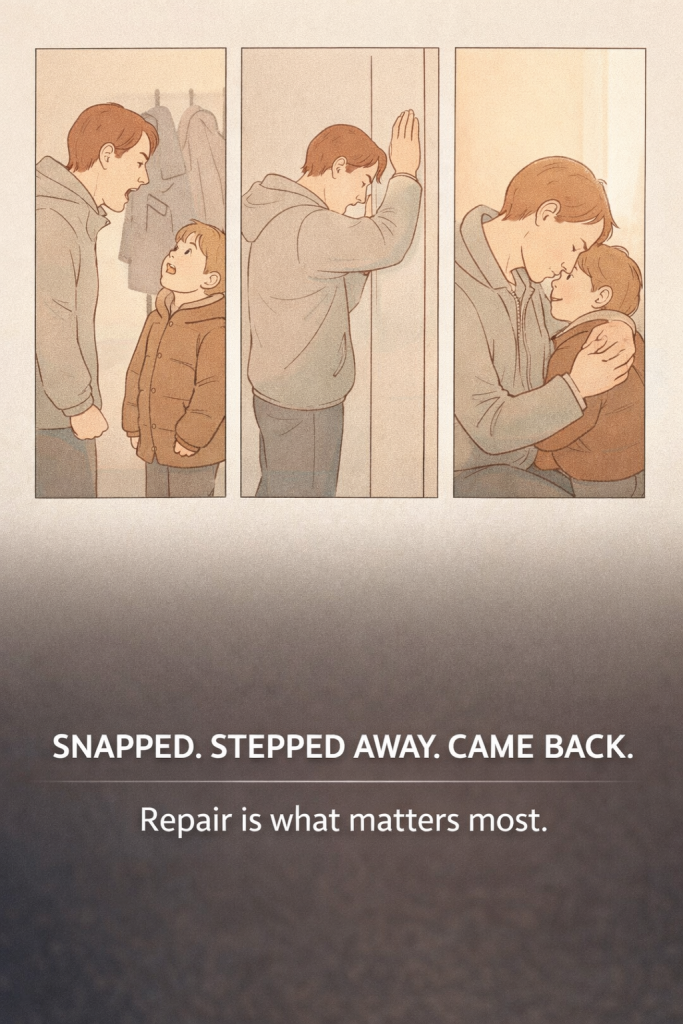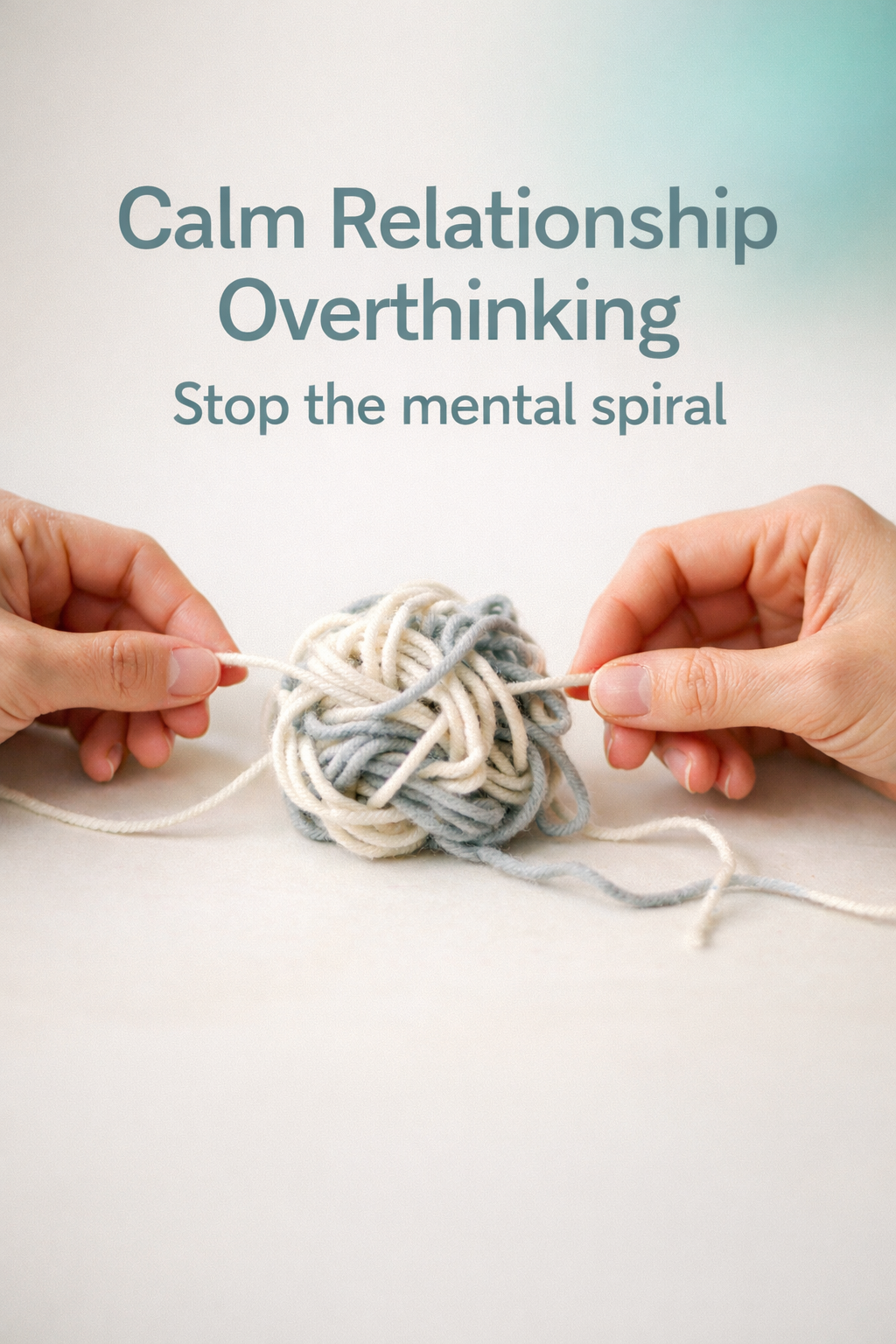
It can start small. A late reply. A different tone. A look that seems a little off. Before you know it, your mind is running a full movie about what it means. You replay the last conversation while driving on 494, you check your phone at a stoplight, and you try to decide if you should bring it up or let it go.
If this sounds familiar, you are not alone. Many people I meet around Minneapolis, St Paul, and Minnetonka are high functioning and caring, yet they feel stuck in their head when it comes to love. The goal is not to become emotionless. The goal is to feel steady enough to act like yourself again, even when you feel uncertain.
When your mind will not stop in a relationship
overthinking in relationships often shows up as a loop of questions that never lands. “Did I say the wrong thing?” “Are they pulling away?” “What if this is a sign it will end?” The thoughts feel urgent, but they rarely lead to clarity. They lead to more scanning, more checking, and more tension.
Some people feel a constant need to fix the feeling by getting a quick signal of safety. Others pull back to avoid looking needy. Either way, relationship anxiety can quietly run the day and make closeness feel harder than it needs to be.
A big driver is the rumination cycle. Your brain grabs one detail and treats it like a threat. The body responds with stress, and then the mind searches for proof that the stress makes sense. This is why it can feel so hard to “just relax.” Your nervous system thinks it is doing protection work.
A secure connection is built when you can notice the alarm, slow down, and choose your next step instead of reacting. That does not mean you never have doubts. It means doubts do not run the whole day.
Why this can feel extra intense in Minnesota
Minnesota culture often rewards being polite, capable, and low drama. That can make it harder to say what you actually feel, especially early on. You might tell yourself you should not be “too much.” Then you carry the feelings alone and the mind fills the silence.
Winter can add pressure too. When it is dark by late afternoon and the roads are slick, people tend to stay home more. Less time around friends and community can make worries louder. A quiet evening can turn into two hours of replaying a text thread.
A lot of couples also live with real logistics here. One person might work a long shift at Mayo Clinic in Rochester. Another might be commuting to downtown Minneapolis, then trying to get to a kids hockey practice in Edina. Stress and schedule friction can look like distance even when the care is still there.
Local support matters. NAMI Minnesota and Mental Health Minnesota both offer education and community resources that can reduce isolation. For some people, therapy in Minnesota is also a practical way to build skills and get steady support without putting it all on a partner.
If you are trying to date while rebuilding your life, it can feel like you are starting from scratch. Going to the Minnesota State Fair with someone new can be exciting and also bring up a quiet worry about where you stand.
What research says about rumination and attachment
Researchers use different words for what people describe in the real world. Rumination is repetitive thinking that stays stuck on the same problem without moving toward action. Studies on relationship stress show that rumination can be linked with worse emotional outcomes, especially when people cope by avoiding feelings instead of addressing them directly.
Attachment research also helps explain why some people feel more activated by uncertainty. When someone leans anxious, their system is tuned to notice signs of disconnection. That does not make them broken. It often comes from a history of needing to work harder for closeness.
In a 2024 study focused on couples during the transition to parenthood, attachment anxiety was linked with more negative emotion during stress, and the authors discuss rumination as one way anxious partners may try to manage that stress.
The hopeful part is that these patterns are learnable. You can strengthen your ability to pause, name what is happening, and communicate with more clarity. Over time, your nervous system learns that uncertainty does not always equal danger.
A composite example from Duluth
This is a composite example and details are changed for privacy.
A Minnesota resident in Duluth described feeling close in person, then spiraling after getting home. After a good date, they would replay every sentence on the drive and then lie awake thinking about what a short good night text meant. The next day they would send a long message to explain how they felt, then regret it and feel embarrassed.
When they tracked it for a week, a pattern showed up. The mind was trying to prevent rejection by predicting it. The spiral hit hardest during downtime, like after work or on a Sunday afternoon, and it got worse when sleep and meals were off. They also noticed they were avoiding a simple conversation because it felt risky.
They practiced a different move. Instead of writing a long text, they used a short, respectful check in and then went back to their evening. They set one boundary that mattered: no rereading old messages after 9 pm. They also practiced one repair line for when they did get reactive. Over time, the intensity dropped. The relationship felt more stable because they showed up more consistently, not because they controlled every outcome.
Practical steps that actually help
Here are simple tools you can try this week. Use the ones that fit, and skip the rest.
-
Name the pattern: “My brain is spinning again.” Naming lowers the threat level.
-
Do a body reset first: stand up, drink water, and take ten slow breaths. Your mind follows your body more than you think.
-
Limit detective work: set one check in window for texts, then put the phone away. This interrupts the rumination cycle.
-
Ask one direct question: if something matters, say it simply and kindly instead of hinting or testing.
-
Use a values prompt: “What would I do if I wanted secure connection right now” Then choose that.
-
Shrink the story: write the facts only. What happened, what you do not know, what you want to clarify.
-
Build a support routine: call a friend, lift weights, or take a walk at Lake Harriet. Movement helps your brain shift gears.
-
Keep conflict small: bring up one issue at a time, and focus on the next step, not a full relationship verdict.
-
Practice a repair phrase: “I got in my head earlier. I care about you and I want to reset.” That is often enough.
-
Get support if it keeps repeating: a steady therapist can help you work on triggers, boundaries, and communication skills.
FAQ
Is overthinking about your relationship a sign you are with the wrong person
Not always. It can be a sign of stress, a mismatch in communication styles, or old patterns getting activated. Pay attention to how the two of you handle repairs and whether respect stays present.
How do I calm the need for reassurance without shutting down
Start with your body, then make one clear request. After that, return to your life. The goal is self support plus honest communication.
What if I keep replaying texts and conversations
Choose one boundary that is realistic, like no rereading after a certain time. Replace it with a short grounding routine that you repeat every time.
Can couples work on this together
Yes. If both people are willing, small habits like weekly check ins and quick repairs can reduce tension and build trust.
When should I consider therapy for this
If relationship anxiety is affecting sleep, work, or the way you show up in love, therapy can help. therapy in Minnesota can also be helpful during big transitions like divorce, parenting changes, or a move.
Does rumination always mean anxiety
No. Rumination can show up with stress, depression, grief, or burnout. The key is whether it keeps you stuck without action.
How long does it take to feel more steady
Many people notice small changes within a few weeks of consistent practice. Lasting change takes repetition and patience.
Overthinking in relationships is not a character flaw. It is a learned protection strategy that can get too loud, especially when life is already full.
If you live in the Twin Cities area, you already know how quickly life can move. One day you are grabbing groceries at Target and the next you are trying to keep up with work, family, and dating. You deserve support that helps you slow the spiral and show up with steadiness.
If you want help turning these patterns into new habits, a good next step is a conversation about what you are dealing with and what kind of support fits you best.
Get Support:
Meet Mitch: Meet Mitch (612) 562 9880
Schedule: Schedule a consultation
Sources:
-
Attachment insecurities, emotion dynamics and stress in intimate relationships during the transition to parenthood (PMC, 2024): https://pmc.ncbi.nlm.nih.gov/articles/PMC11010316/
-
Emotional and cognitive responses to romantic breakups in adolescents and young adults: the role of rumination and coping mechanisms in life impact (PMC, 2025): https://pmc.ncbi.nlm.nih.gov/articles/PMC11985774/
-
The mediating role of rumination between boredom proneness and life satisfaction in married couples: a dyadic study (PMC, 2025): https://pmc.ncbi.nlm.nih.gov/articles/PMC12613699/