Last week, a guy in Minnetonka told me he has started timing his errands around how “safe” the parking lot feels. Another person in Edina said she keeps a water bottle in her car because it is the only thing that helps when her chest tightens. Panic can make you feel like your body is betraying you at the worst moments, like driving on Interstate 94, waiting in line at Target, or sitting in a meeting in downtown Minneapolis. The good news is this: panic is treatable, and you can feel steady again. If you are looking for panic attack therapy Minnesota, this post will give you a clear path forward.
When panic attacks take over your life
A panic attack is a surge of fear that shows up fast and feels intensely physical. Your heart may race, your breathing can feel shallow, and your mind may lock onto one terrifying thought: “Something is wrong with me.” Even when medical tests come back normal, the fear can linger.
Many people get stuck in a loop that looks like this. A sensation shows up. You interpret it as danger. Your body ramps up. The ramp up confirms the danger story. Then you avoid the place where it happened, like a grocery store, a bridge, or a busy highway.
That avoidance can shrink your world. You might skip the gym. You might stop going to the Timberwolves game with friends. You might decline an invite to the Minnesota State Fair because crowds feel risky. Over time, panic becomes less about one episode and more about living on alert.
Here is the key shift: panic symptoms are uncomfortable, but they are not the same as being unsafe. Treatment focuses on teaching your brain and body that sensations can rise and fall without catastrophe. That is how you stop panic spiral and get your confidence back. If you are dealing with Minneapolis panic attacks, the goal is not to force bravery. The goal is to build trust in your ability to ride the wave.
Why panic feels worse in Minnesota sometimes
Minnesota has its own rhythm, and panic can hook into it. Winter can mean tight schedules, cold starts, and long stretches of gray sky. When you are scraping your windshield in January and your hands go numb, it is easy to misread normal body sensations as danger.
Driving can be a big trigger here. Snowy roads, merging traffic near Saint Paul, and the pressure to “just handle it” can amplify anxiety. Add in a busy work culture in places like Minneapolis and Edina, and people often push through until their nervous system finally revolts.
Using national data as Minnesota specific research unavailable.
In my office, I also see how community expectations play a role. Minnesotans are kind, capable, and often quietly tough. Many people feel embarrassed to say, “I am struggling.” They keep showing up, taking kids to activities in Duluth, meeting deadlines, and caring for others, while privately fearing the next episode.
Support matters too. Local organizations like NAMI Minnesota and Mental Health Minnesota remind people they are not alone and that anxiety is common. If you are seeking anxiety counseling Minnesota, it helps to know that panic is not a personal failure. It is a nervous system doing its best, just using the wrong alarm setting.
Telehealth can also reduce barriers. Some people start with telehealth therapy Minnesota because leaving the house feels hard at first, especially after a scary episode in a store or on the road. Starting from home can be a gentle first step while you build momentum.
What research says actually helps panic
The most supported therapy approach for panic is cognitive behavioral therapy, often paired with exposure based work. The basic idea is simple. You learn to notice catastrophic thoughts. You learn to change the meaning you assign to body sensations. Then you practice approaching, not avoiding, the situations and sensations you fear.
One important piece is interoceptive exposure. That means practicing safe exercises that bring on sensations similar to panic, like faster breathing or a racing heart, so your brain learns, “This is uncomfortable, and I can handle it.” For many people, this is where the fear starts to loosen.
Another piece is situational exposure. If panic happened while driving, you build a gradual plan that could start with sitting in the parked car, then short drives, then busier routes. The goal is not to white knuckle it. The goal is to retrain your alarm system through repetition and support.
Medication can also play a role for some people, and that decision is best made with a licensed prescriber who knows your health history. Therapy and medication are often combined. Either way, the target is the same: fewer attacks, less fear of fear, and more freedom.
A Minnesota story that might feel familiar
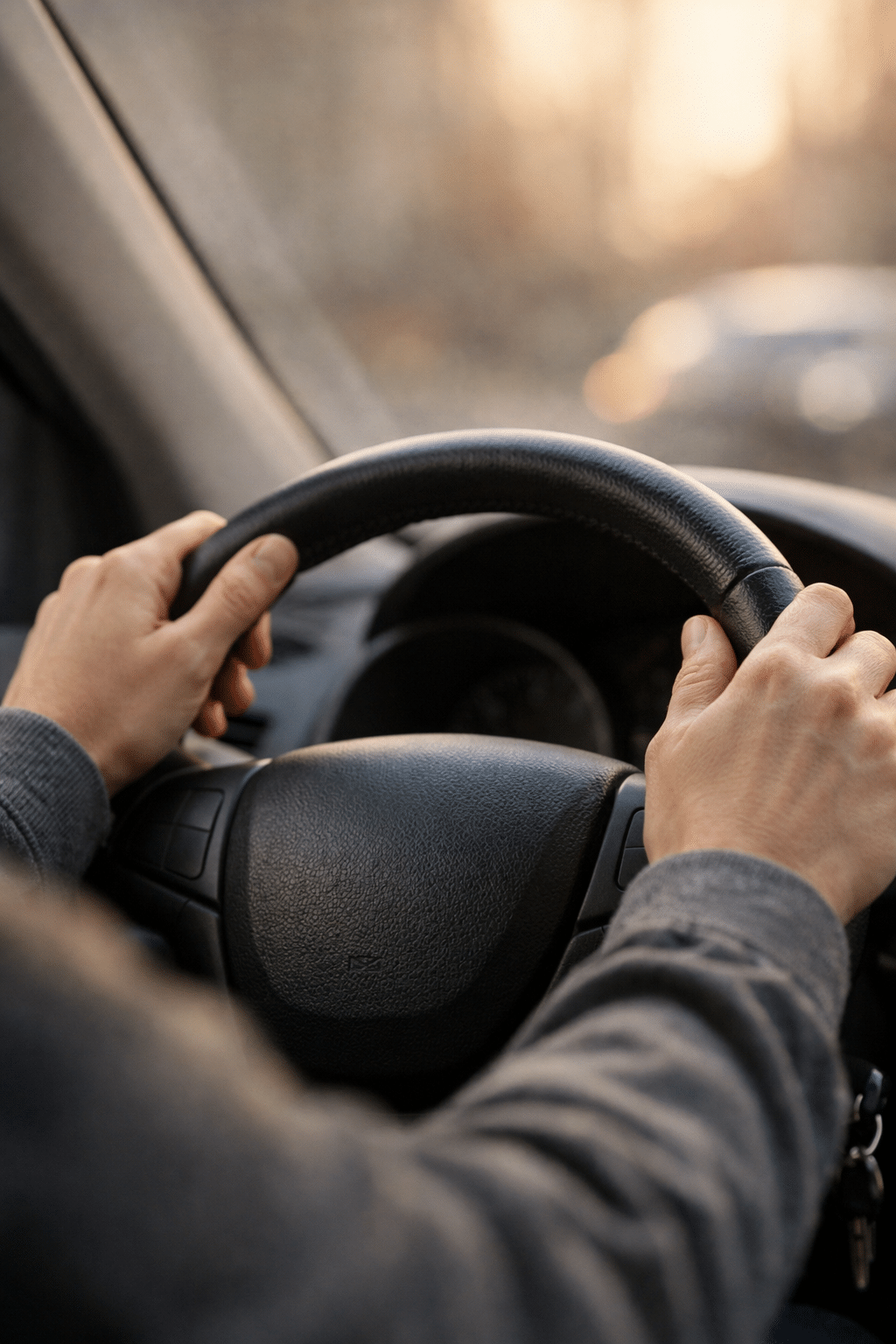
Picture this. You are driving to work in Minneapolis, maybe heading toward Saint Paul, and your chest tightens. Your heart jumps, your hands feel strange, and your mind says, “This is it.” You pull over, breathe hard, and promise yourself you will never feel that again.
So you start adjusting life around panic. You avoid certain routes. You keep water in the car. You check your body for warning signs. It works short term, but it teaches your nervous system that panic equals danger.
Therapy helps you reverse that lesson. You learn how to label the experience, allow the sensations to peak, and then practice safe, gradual exposures so your brain updates its alarm system. The goal is not to force yourself. The goal is to rebuild trust in your body so driving and daily life stop feeling like a threat.
If you want, tell me which option you prefer and I will rewrite that whole section in your exact tone and keep it consistent with the rest of the post.
Practical ways to calm your body and retrain your brain
If panic is showing up right now, start with small, repeatable steps. These are tools I often recommend alongside therapy, and they work best when practiced regularly, not only during a crisis. If you are seeking panic attack therapy Minnesota, these steps can also help you feel more ready to start.
-
Name it out loud: Say, “This is panic, not danger.” Labeling reduces the threat signal.
-
Let the wave rise: Instead of fighting symptoms, notice them and allow them to peak and fall.
-
Practice a steady exhale: Breathe in gently, then exhale a bit longer than you inhale. Keep it simple.
-
Drop safety behaviors slowly: If you always carry one object as a rescue, practice short moments without it.
-
Build an exposure ladder: List feared situations from easiest to hardest, then practice one rung at a time.
-
Do safe sensation practice: With guidance, practice body sensations on purpose so you stop fearing them.
-
Use a grounding anchor: Feel your feet, press your hands together, notice five things you can see.
-
Reduce caffeine for a trial: If you are sensitive, caffeine can mimic panic sensations.
-
Create a support script: Text a trusted person one sentence, then return to your breathing and grounding.
These steps are how you stop panic spiral in real life, especially when paired with a plan and accountability. Many people also like starting with telehealth therapy Minnesota because it lets you begin the work without the stress of travel. If you want anxiety counseling Minnesota, the goal is not perfection. The goal is steady progress.
FAQ
How do I know if it is panic or a medical problem
If symptoms are new, severe, or include red flags, talk with a medical provider promptly. Once medical causes are ruled out, panic is a common explanation for intense, short lived episodes.
Can panic attacks go away on their own
Sometimes they lessen, but many people start avoiding triggers, which keeps the fear pattern alive. Treatment helps you break the cycle and regain freedom.
What type of therapy works best for panic
Cognitive behavioral therapy with exposure work has strong support. A therapist can tailor it to your triggers, your history, and your pace.
Will I have to relive past trauma to treat panic
Not always. Some panic treatment focuses on present patterns and body sensations. If trauma is part of the story, you can address it carefully and at a safe pace.
How long does therapy usually take
It depends on severity and how much avoidance has built up. Many people notice meaningful shifts within weeks, especially when practicing skills between sessions.
Is telehealth effective for panic
Yes, many people do well with it, especially early on. Telehealth can make it easier to start and stay consistent.
What if I keep having panic while driving
Driving exposures can be done gradually and safely, often starting very small. A clear plan and support help your nervous system learn that the road is not an emergency.
Panic can feel like it takes away your choices. But with the right plan, those choices come back. You can return to normal errands, normal drives, and normal evenings with your family. If panic has been running your life, you do not have to muscle through it alone. A calm, structured approach can help you feel steady again and build confidence one step at a time.
Get Support:
Meet Mitch: Meet Mitch (612) 562-9880
Schedule: Schedule a consultation
Sources:
-
Short, intensive cognitive behavioral therapy can ease panic disorder (American Psychological Association, 2025): https://www.apa.org/monitor/2025/11-12/panic-disorder-treatment-progress.
-
Anxiety disorders, diagnosis and treatment (Mayo Clinic, 2025): https://www.mayoclinic.org/diseases-conditions/anxiety/diagnosis-treatment/drc-20350967.
-
Psychosocial interventions for anxiety disorders in adults (PubMed Central, 2025): https://pmc.ncbi.nlm.nih.gov/articles/PMC12580650/.